
OVERVIEW
- Tour Dates
- Thursday, February 5–Friday, February 6
- Place
- Hakodate, Hokkaido
- Participants
- Limited to 10 participants.
(Only one reporter or one photographer from each company, but two participants from each TV team will be acceptable.)
- Topic
- Initiatives by Hakodate, a Tourism City with Living History
—From the Perspectives of Climate Change, Disaster Prevention, and City Planning
Purpose of Tour
-
[Photo courtesy of the City of Hakodate]
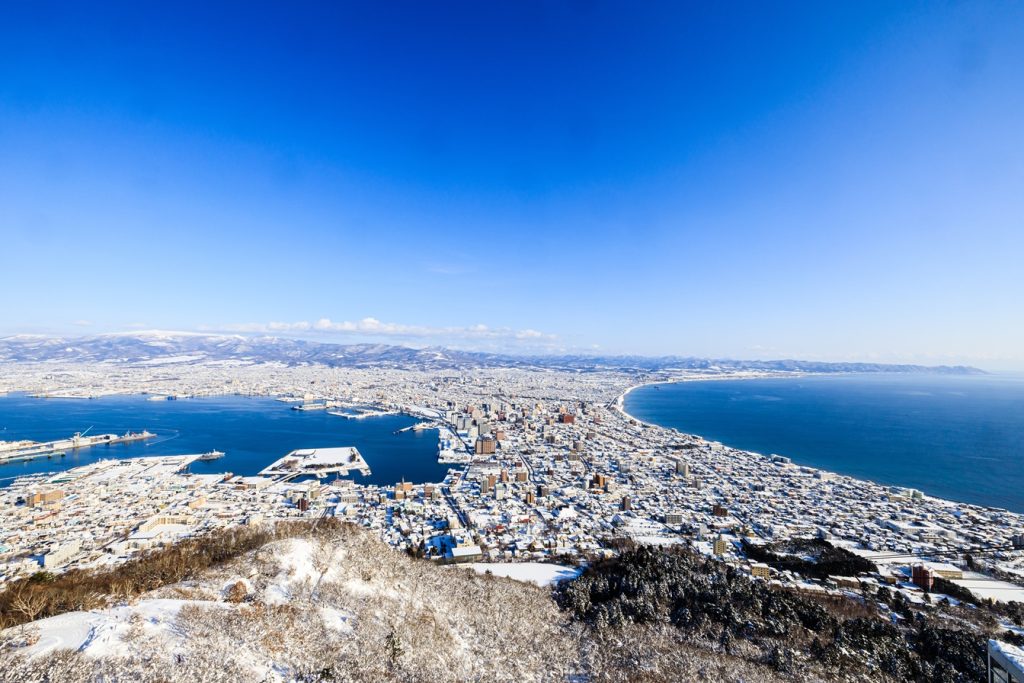
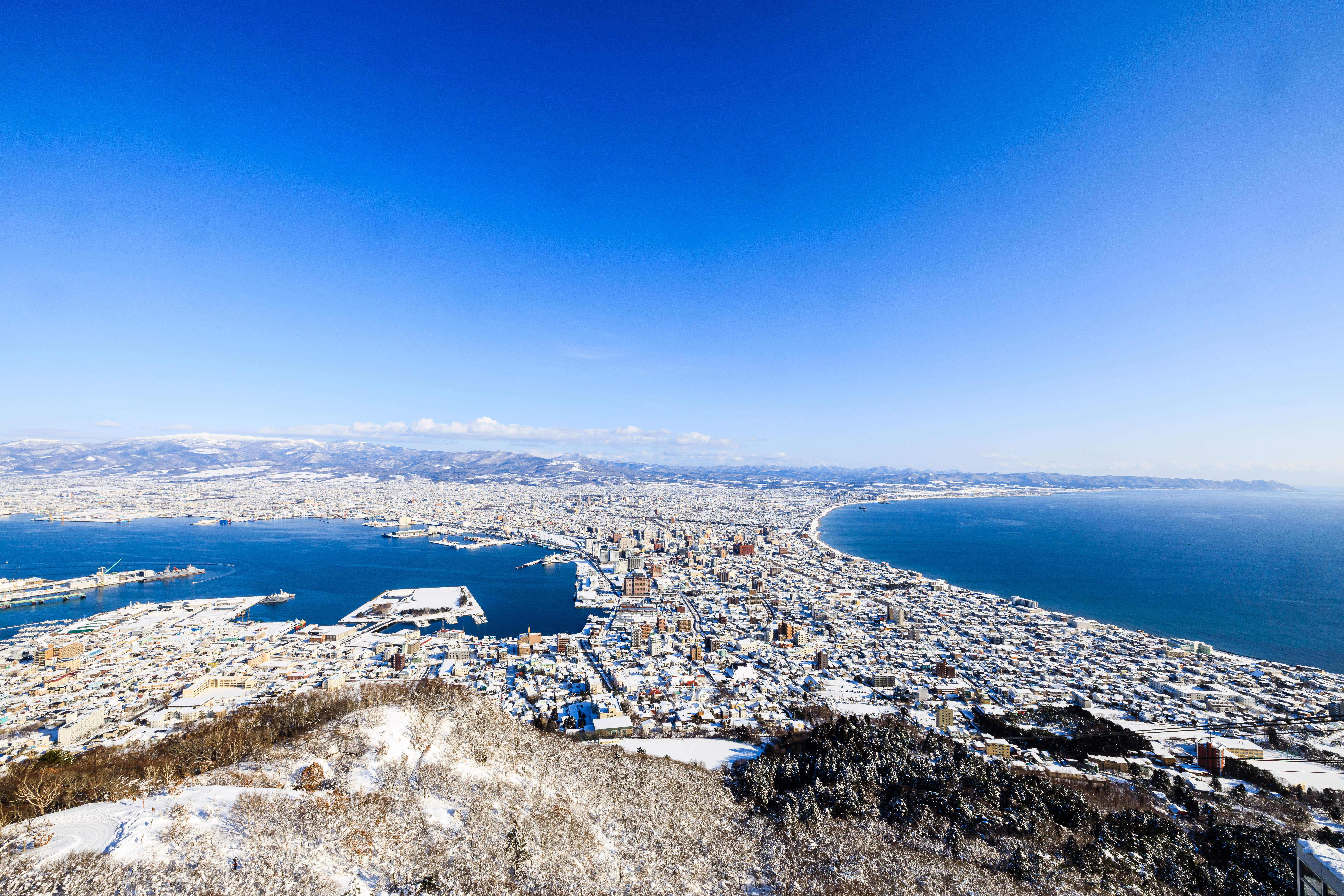
Hakodate, located in southern Hokkaido, is one of the first cities in Japan to open its port to foreign countries in the 1850s, and the mix of Western and Japanese culture led to the development of a city with a unique atmosphere. Goryokaku, the historical buildings in the Western District, and the Kanemori Red Brick Warehouse in the Bay Area all show the history of Japan opening the country. As the city developed along the unique local terrain, the view of the city’s lights at night from atop Mt. Hakodate became famous as a new tourist spot in the 1950s, known as a “Million Dollar Night View,” and the city has become one of Japan’s top tourism cities with a variety of enticing views.
A key element of Hakodate’s popularity for tourism is the ample availability of fresh seafood. Squid, kombu kelp, sea urchin, and salmon roe are all popular with tourists from Japan and overseas. However, due to the rise in ocean temperature and changes to the marine environment in recent years, the harvest of famous products such as squid and kombu have declined, and as the effects of climate change on marine resources become more evident, the food culture in Hakodate has reached a major turning point.
Public-private efforts are underway to deal with these issues, with the City of Hakodate leading research into complete farming of king salmon and makombu kelp, and aiming to commercialize types of fish that can now be caught in the area due to climate change. A famous French winery, impressed with Hakodate’s cool climate and rich soil, has also begun growing grapes and producing wine in the city.
With its unique geography and climate, Hakodate has suffered from major fires numerous times throughout its history, causing significant damage. Using the lessons learned from those fires, the city engaged in progressive city planning focusing on disaster prevention, such as implementing green belts. In recent years, the city has also been implementing measures to deal with the growing number of vacant houses and vacant lots due to population decline, and initiatives to utilize historical structures.
◆The press tour will cover history and tourism in Hakodate, one of Japan’s top tourism cities, as well as public-private initiatives to respond to the impact of climate change. The tour will also cover city planning focusing on disaster prevention, initiatives to utilize historical structures, and measures to deal with vacant houses and vacant lots.
Tour Details
Introduction
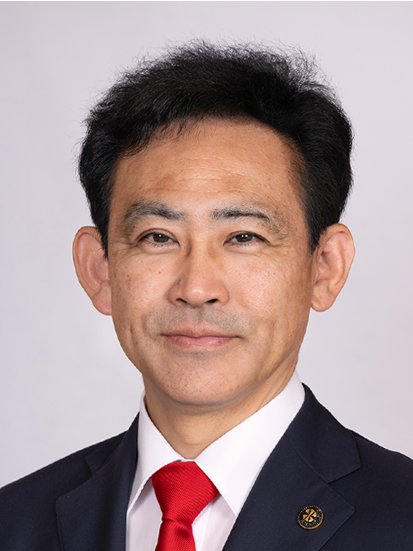
Welcome Remarks from Mr.Jun Oizumi, Mayor of Hakodate / Briefing by the City of Hakodate Tourism Department, Tourism Promotion Section
-
[Photo courtesy of the City of Hakodate]
◆The tour will begin with a welcome from and group interview with Mr. Jun Oizumi, mayor of Hakodate. Next, Mr. Ippo Ozaki, manager of the City of Hakodate Tourism Promotion Section, will give a briefing on the City of Hakodate’s tourism policies to provide background information for the rest of the tour.
Impact of and Response to Climate Change (Agriculture, Fishing, Tourism)
1. de Montille & Hokkaido Project
—A famous French winery choosing Hakodate, with its cool temperatures and volcanic soil, as a new location for making wine
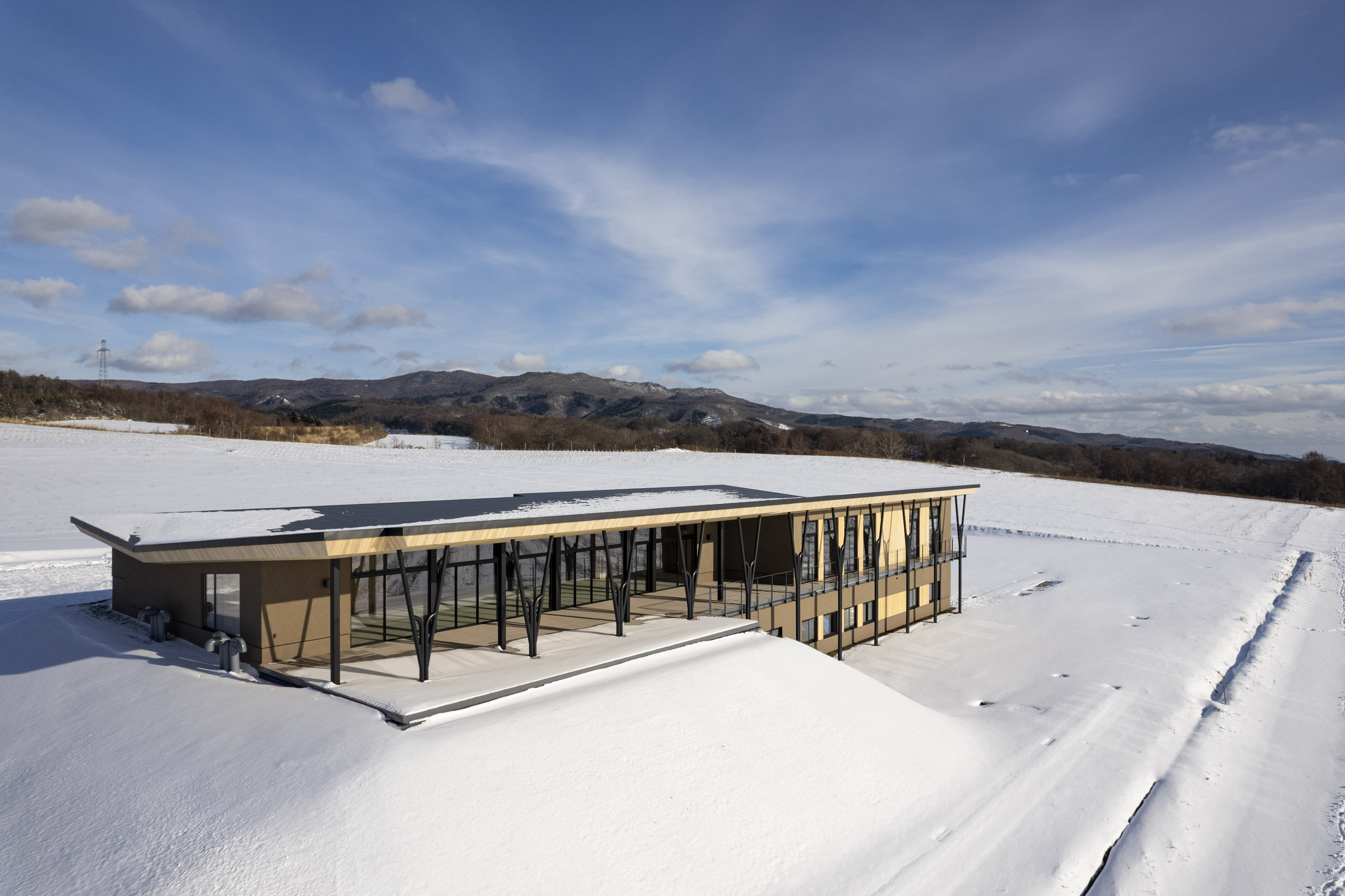
[Photos courtesy of de Montille & Hokkaido]
Burgundy, France is a region known worldwide for its wines, and Mr. Etienne de Montille, the current owner of
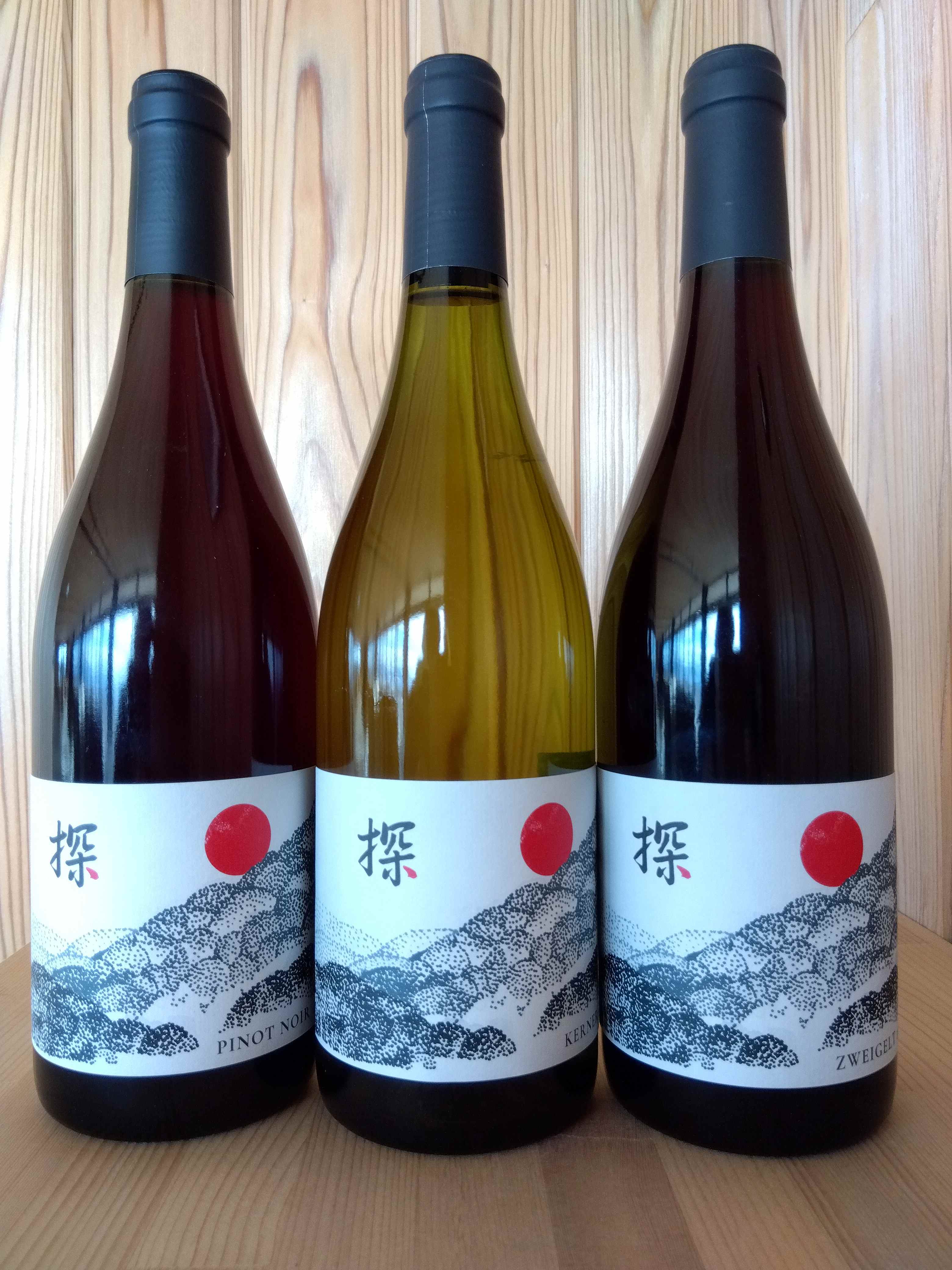
DOMAINE de MONTILLE, a winery from Burgundy with approximately 300 years of history, has been searching for new areas around the world to grow grapes due to climate change. Surveying Nagano Prefecture and further north in Japan, the winery determined that Hakodate’s cool climate and volcanic soil would be appropriate for growing Burgundy grapes such as pinot noir and chardonnay. In 2016, the de Montille & Hokkaido Project began, the first case of a winery in Japan funded by foreign capital.
The company cleared land on slopes in Hakodate with good drainage and availability of sunlight, and began growing grapes for wine production in 2019. From 2018 to 2022, the winery used grapes made in Yoichi, Hokkaido to make small amounts of wine, building their knowledge of the foundations of wine production in Japan, and in 2023 began in earnest to make wine using grapes grown and harvested from their own fields in Hakodate.
In 2024, the winery, with a restaurant and a terrace with a view of the city and Hakodate Bay, was completed, and in December 2025 wine made using Hakodate grapes was released for the first time. In the future, they aim to export wine overseas as well, as Hakodate becomes a new major area for the production of wine grapes due to climate change.
◆The tour will hear from Mr. Hayuru Yano, general manager of de Montille & Hokkaido Co., Ltd., about the background behind the de Montille & Hokkaido Project and the impact of climate change on growing wine grapes and wine quality. The tour will also hear about the characteristics of the wine produced there, and have the opportunity to film and photograph the winery, as well as to taste the winery’s Hakodate wine.
2. Hakodate Mariculture Project (Operating Entity: City of Hakodate)
—The first place in Japan to succeed at the complete farming of king salmon/Working towards regional carbon neutrality with the power of kombu kelp
[Photos courtesy of the City of Hakodate]
Hakodate has the highest output of kombu of any municipality in Japan, by both volume and revenue. Hokkaido accounts for over 90% of domestic kombu production, of which Hakodate accounts for approximately 30%. Kombu is a type of kelp with high levels of amino acids, the source of umami, and have long been a vital ingredient in Japanese cuisine.
Since the mid-18th century during the Edo period, kombu produced in Hakodate was transported to the main island of Honshu along the Kitamae-bune shipping route, spreading throughout Japan and even overseas along the “Kombu Road.” This kombu trade had a major impact on the development of Japan’s economy and culture.
Currently, Hakodate is known not only for its kombu, but also for other fresh seafood, a key factor in its popularity as a tourist destination. However, with changes in the marine environment, the harvests have been declining for squid and wild kombu, seafood the city is known for, and there are concerns about the impact this will have on Hakodate’s main industries, fishing and tourism.
To deal with this issue, Hakodate has implemented the Hakodate Mariculture Project. With the City of Hakodate as the operating entity of the project, research has been proceeding on how to take advantage of the cold environment and the fact that the city is a hub for fishery and marine research institutions such as the Hokkaido University School of Fisheries Sciences. The core of this project is complete farming techniques for king salmon and makombu, and the project also promotes regional carbon neutral (RCN) farming in which the carbon dioxide produced by fish farming is absorbed and neutralized by seaweed farming. The goal is to create a sustainable marine fisheries city.
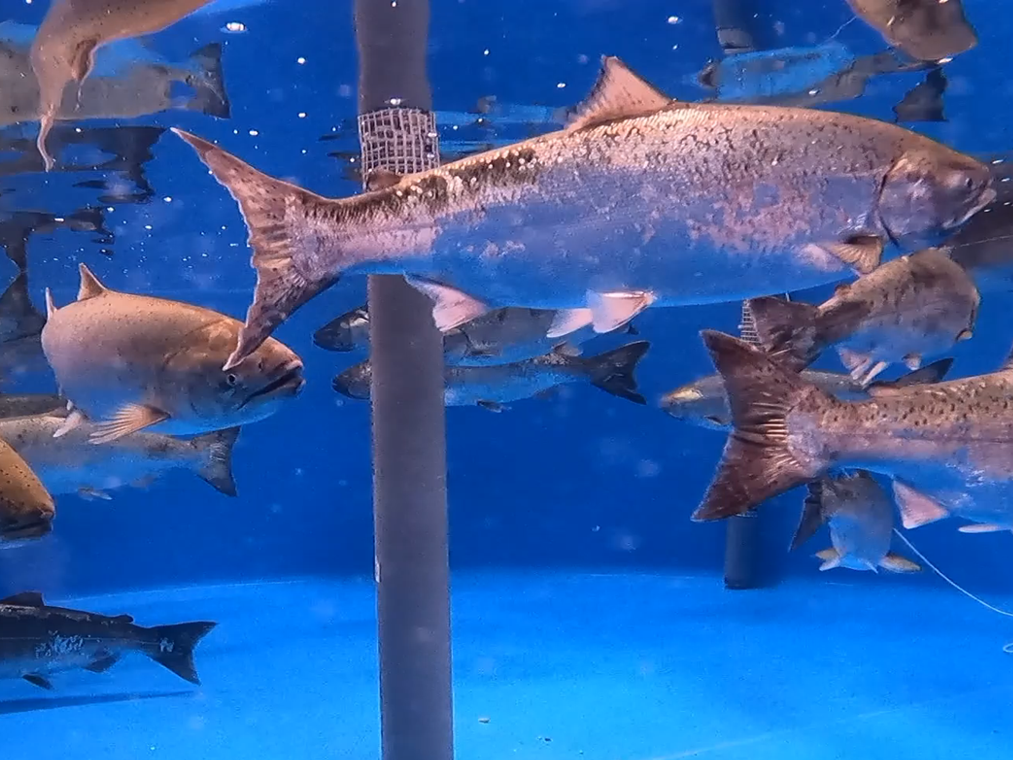
King salmon is a quality fish not widely available in Japan which has difficulties with a stable supply. In 2025, the Hakodate Mariculture Project succeed in landing approximately 100 king salmon which were, for the first time in Japan, successfully marine farmed using artificially produced fry. With complete farming entailing hatching eggs from mature fish, raising those fry to maturity, and then gathering eggs from that next generation in a cycle, this successful test demonstrated the feasibility of future commercialization.
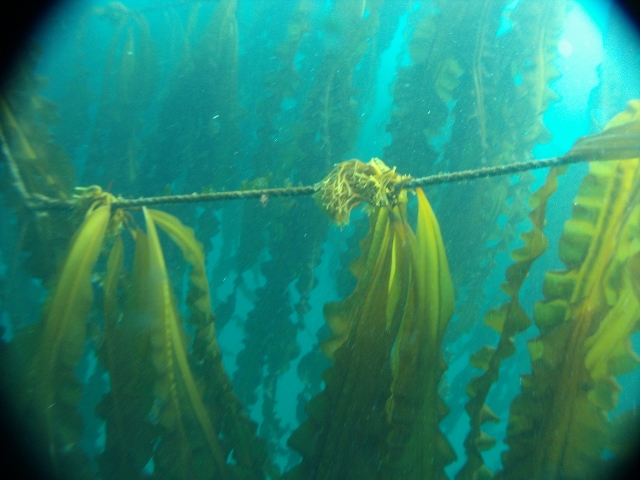
With harvests of wild kombu declining, research is also underway for complete farming of makombu, aiming to develop a stable supply while decreasing the burden on the marine ecosystem, without relying on natural kelp fields. Seaweed absorbs carbon dioxide while growing, and carbon dioxide absorption through photosynthesis by seaweed has been gaining attention as “blue carbon.” With Japan’s culture of eating seaweed, research in this field is more advanced than in other countries, and that expertise is also being applied to this project.
The Hakodate Mariculture Project not only aims to produce king salmon and makombu, but also to create a local system for their processing and product development, and training people to those ends. With the growing average age of workers in the fishing industry also being an issue, collaborating with related industries and workers is hoped to lead to sustainable growth for the local economy and build a foundation for the industry.
◆The tour will visit the Hakodate Research Center for Fisheries and Oceans and hear from Mr. Takahiro Sato, manager of the City of Hakodate Agriculture, Forestry, and Fisheries Department’s Fishing Industry Promotion Section, about complete farming techniques for king salmon and makombu in the Hakodate Mariculture Project, future plans, and the effects of climate change on Hakodate’s marine resources. There was also be an opportunity to film and photograph the king salmon fry being grown in the aquarium at the entrance.
—Rare opportunity to cover the lively auctions at the early morning seafood market/Current state of the decreased squid catch
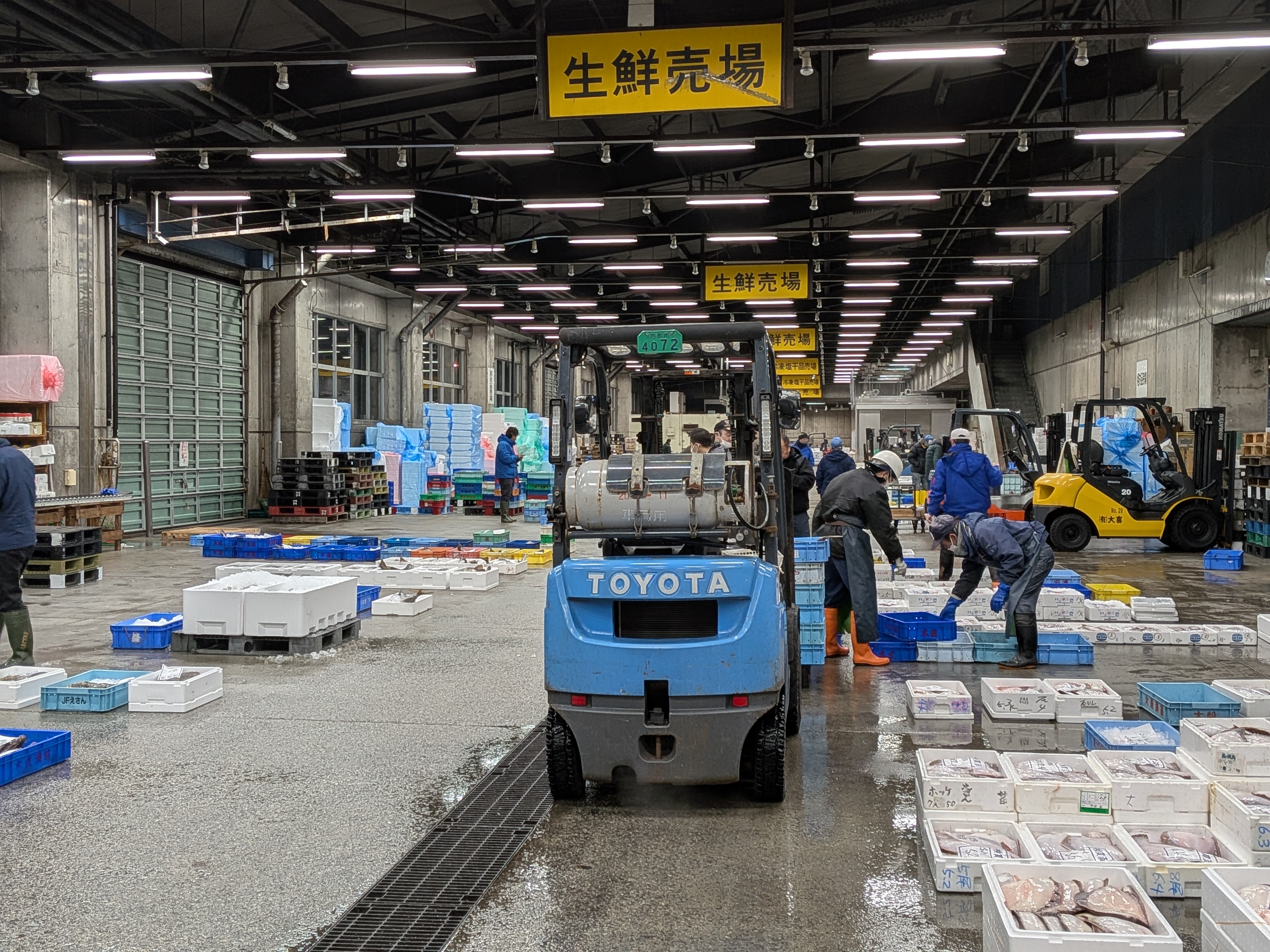
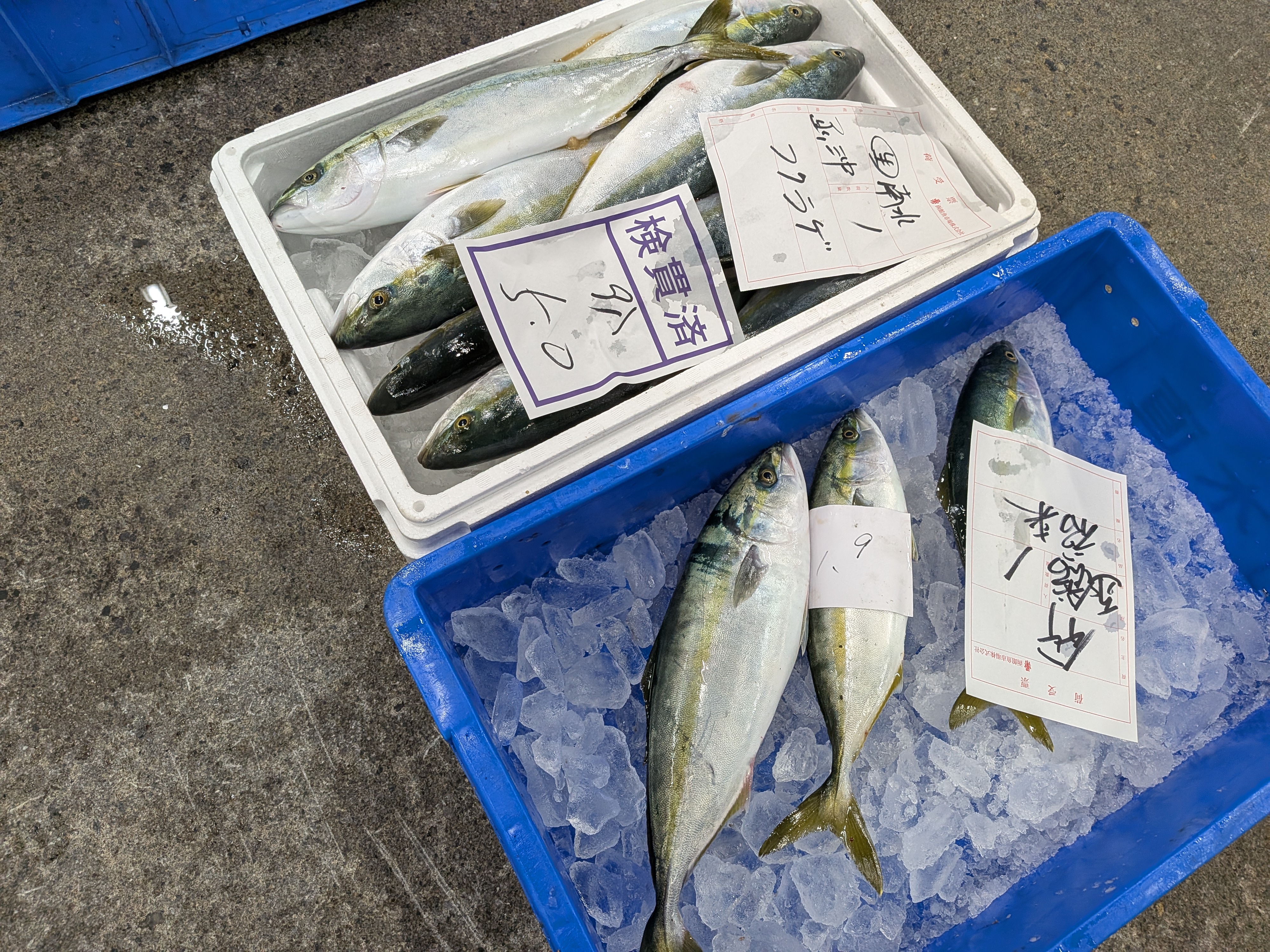
The Hakodate Seafood Market deals in seafood from fishing ports throughout southern Hokkaido and Japan as a whole.
Hakodate was known as the “Squid City,” with its fresh squid being a highlight for tourists, but in recent years the surume squid catch has been declining. Last year, the June catch was 10 tons, the lowest ever for June and approximately one tenth of what it was ten years earlier. With the decreased catch, the wholesale price is also approximately 3.5 times what it was ten years ago. In June 2025, the average wholesale price for one kilogram was 265 yen more than in June 2024, reaching a new record high. Although squid used to be a common food, it has been slowly vanishing from the city.
◆The tour will visit the Hakodate Local Seafood Wholesale Market in the early morning, when it is normally closed to unauthorized visitors, and have the opportunity to film and photograph auctions for seafood. A market guide will explain the role of the market, how transactions work, and recent changes related to squid. The tour will also interview Mr. Kazuto Konishi, president of Marusho Konishi Fresh Fish Store Ltd. (a wholesaler intermediary), about his view of the impact of declining catches, and his outlook for the future.
4. Hakodate Anchovy Project
—Creating a new food culture in response to changes in the marine environment due to climate change
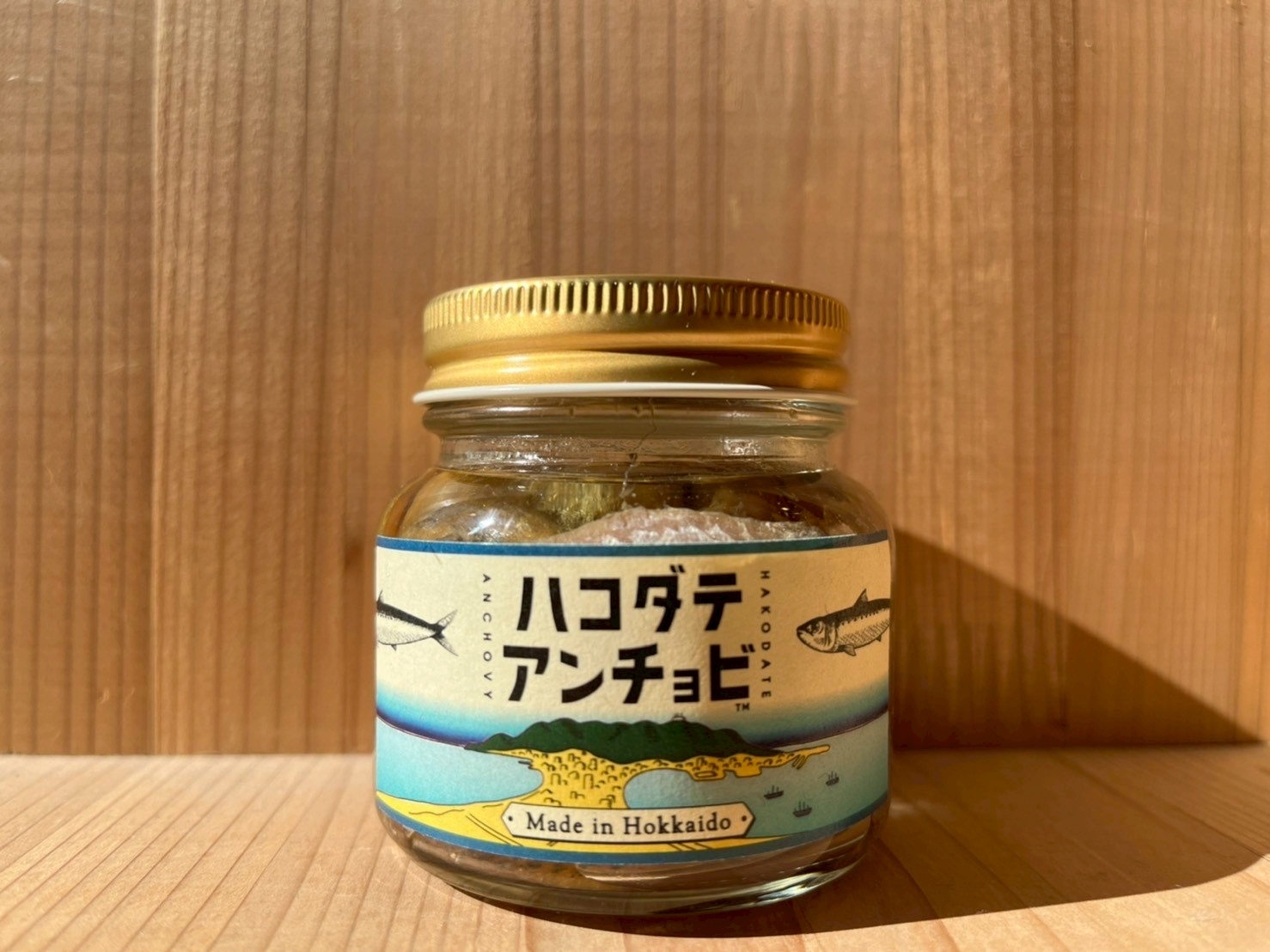

With the marine resources in the waters near Hakodate changing significantly in the last few years, the type of seafood caught has shifted, with the squid catch drastically declining and the catch of Japanese sardine, which prefer warm water, rapidly growing. However, as these sardines are small and have many small bones, there is no local culture for eating them in Hokkaido. Therefore, even if brought to shore they were not profitable, and so frequently they were just thrown back.
In response to this situation, the Hakodate Anchovy Project was started in 2021 by volunteers to create value for these sardines that were barely utilized. Local Revolution Co., Ltd. played a key role, purchasing sardines from fishers for a reasonable price and cooperating with a seafood processing company, a job placement service, and the local government to produce and sell Hakodate Anchovies. Using the by-product of fish extract, they also developed products such as Hakodate Nam Pla (fish sauce), building a framework to use the whole fish. This revolutionary initiative has been well received, and has been gaining attention as they received multiple awards such as the Discover Mura no Takara award from the Ministry of Agriculture, Forestry and Fisheries and Cabinet Secretariat.
Local Revolution also runs LR Tacos & Local Dishes, which makes tacos using underutilized ingredients such as fat-free milk powder and okara (soy pulp) in its tortillas and is located in a renovated storefront of a building built in 1909, near the Kanemori Red Brick Warehouse.
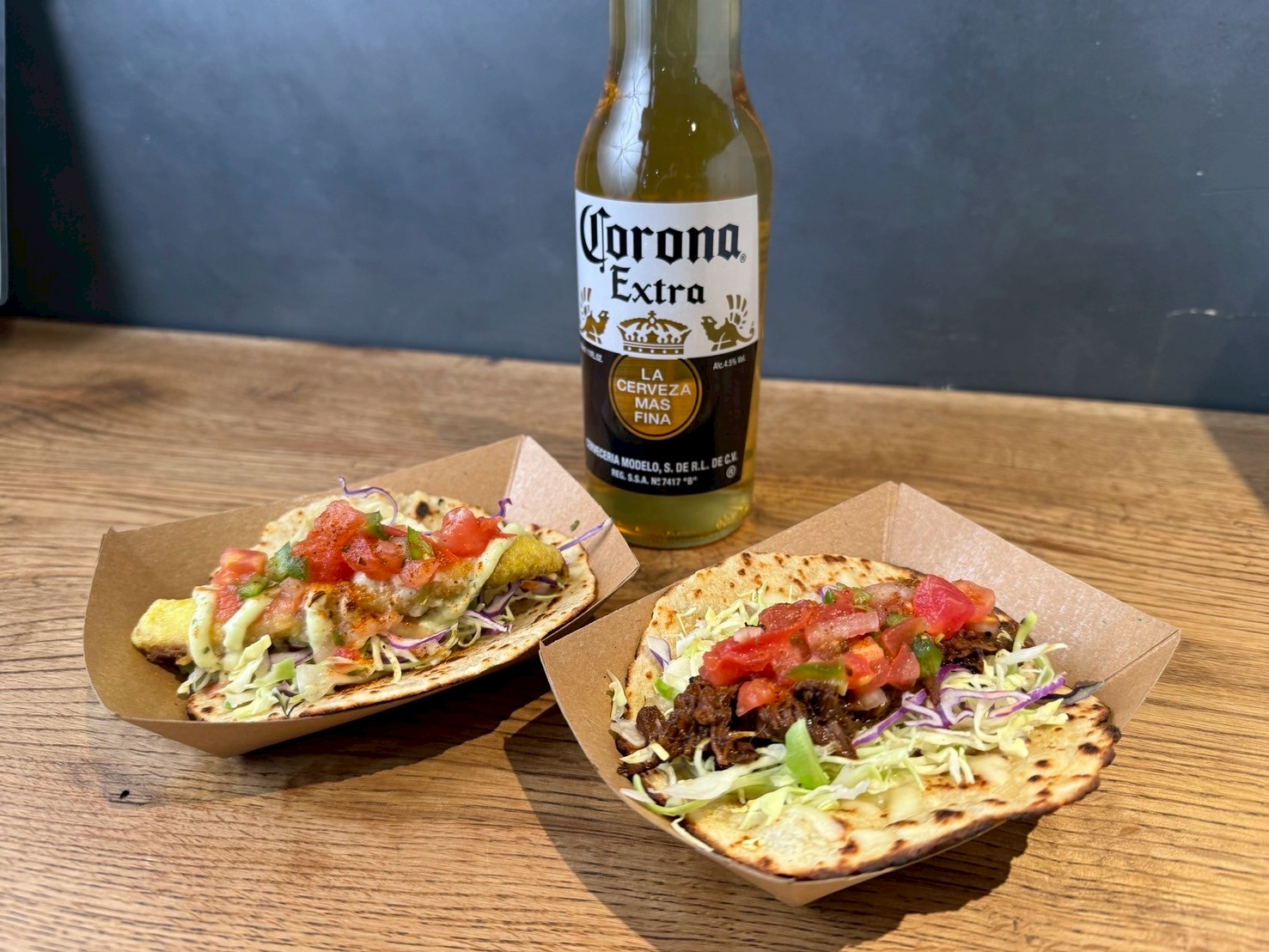
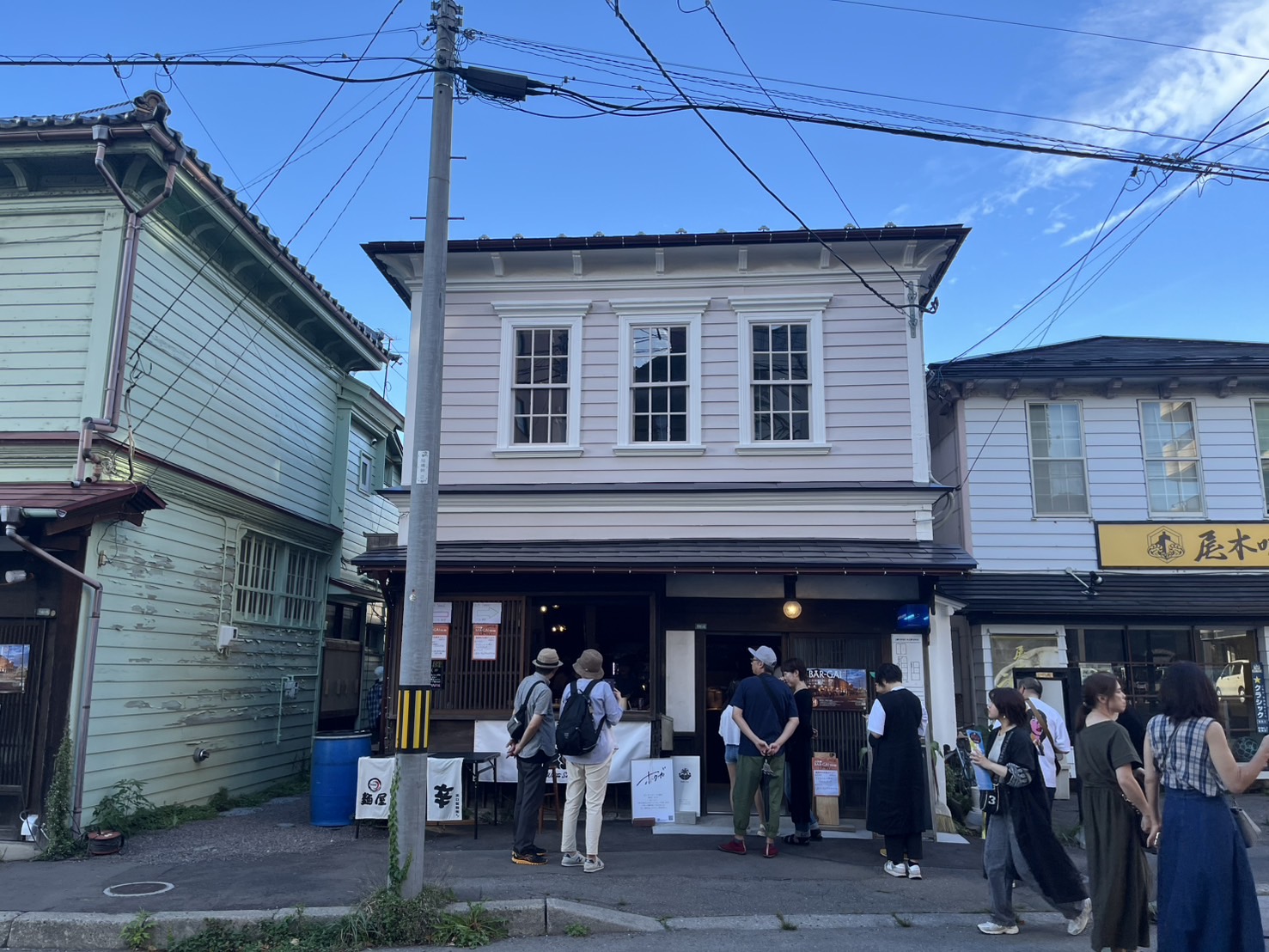
[Photos courtesy of Local Revolution Co., Ltd.]
◆The tour will visit Fukuda Kaisan Co., Ltd. and hear from Mr. Keigo Okamoto, president of Local Revolution Co., Ltd., about changes in the local fishing industry, such as the decline in squid and increase in sardines in the waters near Hakodate. He will then speak about the background and business model behind developing products using sardines, followed by a tour of the factory where Hakodate Anchovies are made by Ms. Kumiko Fukuda, president of Fukuda Kaisan. For lunch, the tour will eat at LR Tacos & Local Dishes, with a menu including Hakodate Anchovies and tacos made using underutilized ingredients.
5. Goryokaku Park, Hakodate Magistrate’s Office, Goryokaku Tower
—Learning about the history of Goryokaku, one of the building blocks of modern Japan, and about the arborist taking care of the trees in Hokkaido’s most famous spot for cherry blossoms
-
[Photo courtesy of the City of Hakodate]
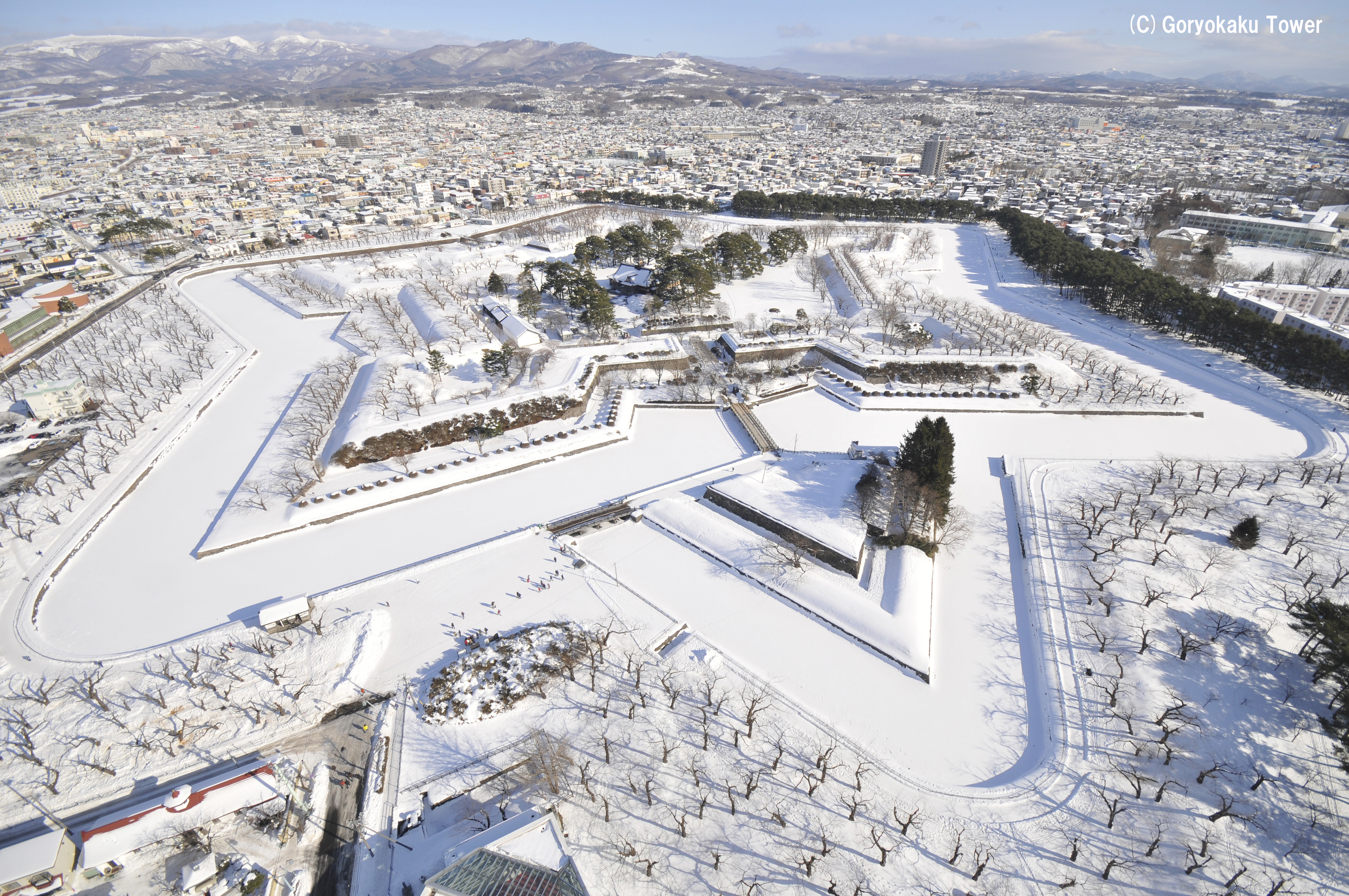
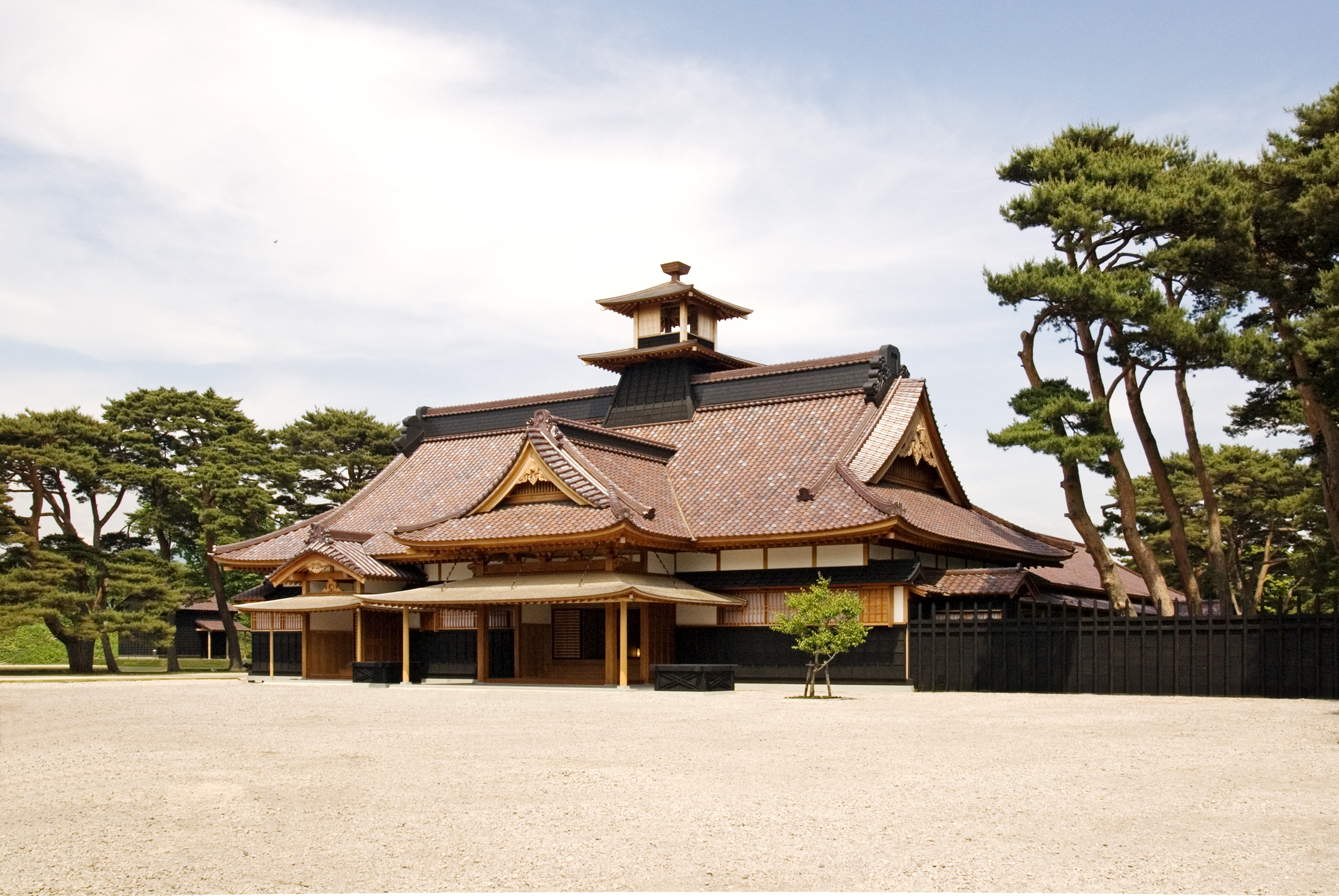
Goryokaku, Hakodate’s most famous historical site, is now open to the public and tourists, and is also known as one of Hokkaido’s most famous spots for viewing cherry blossoms. In the mid-19th century, Japan ended its policy of isolation and opened diplomatic relations with Western nations. Hakodate was one of ports opened with the 1854 Japan–US Treaty of Peace and Amity, and so the Tokugawa shogunate established the Hakodate Magistrate’s Office as an administrative center for negotiations with foreign nations and for regional defense. To defend the office, Goryokaku, the first Western-style star-shaped fort in Japan, was built around it.
Starting in 1914, Goryokaku was made into a park, and by 1965 approximately 11,000 cherry trees (mainly Somei-yoshino) were planted there, but currently there are only around 1,500 total. With the timing of the blossoming of Somei-yoshino trees changing in recent years, it became news in 2023 when they were confirmed to blossom on April 14, the earliest recorded since 1953. Cherry blossom buds awaken from dormancy after being exposed to low temperatures in the winter. Although it has not yet been scientifically demonstrated, it is thought that the cherry blossoms are blooming sooner due to the warmer winters and shorter periods of low temperature.
Mr. Yasutsugu Saito, an arborist, works daily to conserve Goryokaku’s cherry trees, a vital tourism resource for Hakodate. An arborist inspects, diagnoses, and treats trees, protecting and growing them, managing them for safety, and raising the next generation. Mr. Saito uses his expertise to protect the cherry trees of Goryokaku for the next generation by spreading fertilizer, eliminating pests, and trimming branches, even while facing numerous restrictions due to Goryokaku being designated as a Special Historical Site (for example, not being permitted to dig up the soil to replant trees).
-
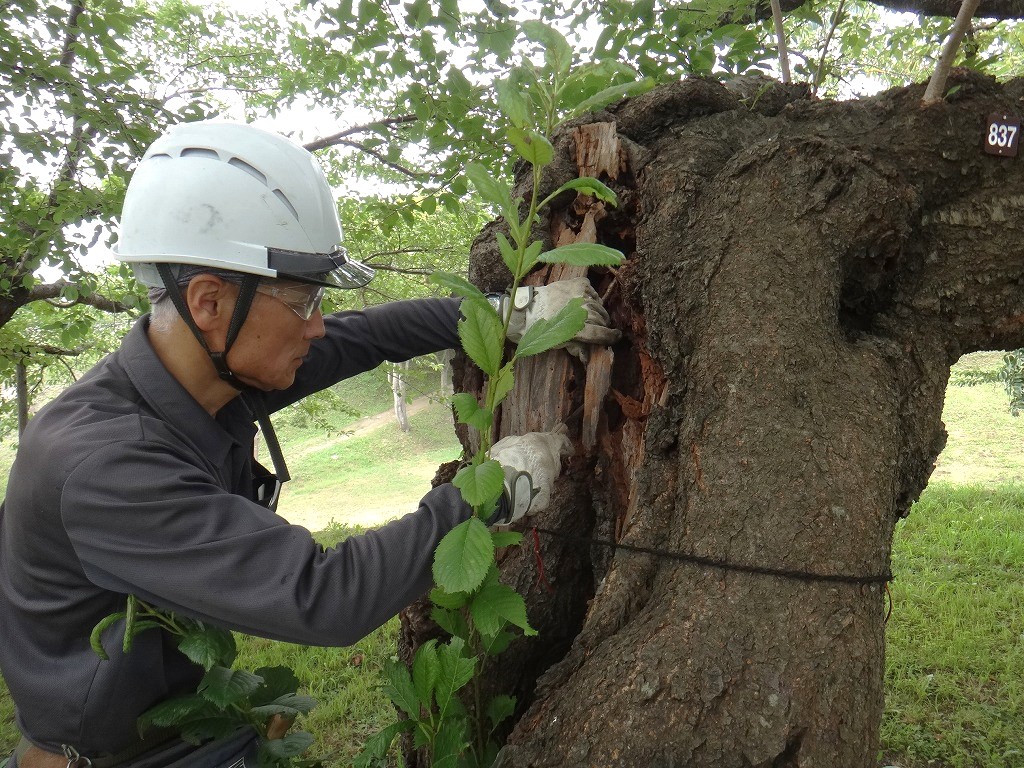
Mr. Yasutsugu Saito, arborist
[Photos courtesy of Mr. Yasutsugu Saito]
◆The tour will visit Goryokaku, known as a famous spot for viewing cherry blossoms, and hear from Mr. Yasutugu Saito, an arborist with the Hakodate Housing and City Facilities Public Corporation, about examples of changes to the cherry trees in recent years and initiatives to conserve them. The tour will also see the Somei-yoshino sample tree located there, one of 8 in Hokkaido and 58 throughout Japan, used as a benchmark for when cherry blossoms have begun to bloom, and learn about the life cycle of cherry trees.
Next, the tour will visit the Hokkaido Magistrate’s Office located in the center of Goryokaku, rebuilt in 2020, and hear about its history from Mr. Yuichi Nomura, from the City of Hakodate Board of Education Cultural Properties Section. The tour will then go to the Goryokaku Tower and see the relative positions of the Magistrate’s Office and Goryokaku from its observation deck, as well as seeing the Goryo Hoshi no Yume illumination, a popular winter sight of Hakodate in which the area around Goryokaku is lit up.
-
[Photo courtesy of the City of Hakodate]
City Planning: Disaster Prevention/Measures Against Hollowing Out
1. The Landscape from the Peak of Mt. Hakodate, Hakodate’s Green Belts and Above-ground Fire Hydrants
—City design emphasizing disaster prevention, using the lessons of the Great Fire
-
[Photo courtesy of the City of Hakodate Fire Department Headquarters]
Over the course of 65 years, from the late 19th century to the mid 20th century, Hakodate, surrounded by the ocean on three sides and frequently beset by strong winds, suffered from 26 major fires in which over 100 buildings burned down. In particular, the Great Fire of Hakodate on March 21, 1934 burned down around one third of the city’s area at the time (approximately 416 hectares), with over 2,000 people losing their lives.
As part of the reconstruction plan from this fire, roads were expanded to help prevent fires from spreading and green belts up to 55 meters wide in 13 by 13 squares were made throughout the city. Government buildings and schools built with rebar concrete, as well as parks, were built at green belt intersections or end points, functioning as evacuation sites in the case of disasters. The trees planted in the green belts also play a role in preventing fires from spreading due to heat or sparks. Since establishing the green belts, a major fire like the 1934 Great Fire has not occurred, and it is thought the green belts are playing a role in disaster prevention.
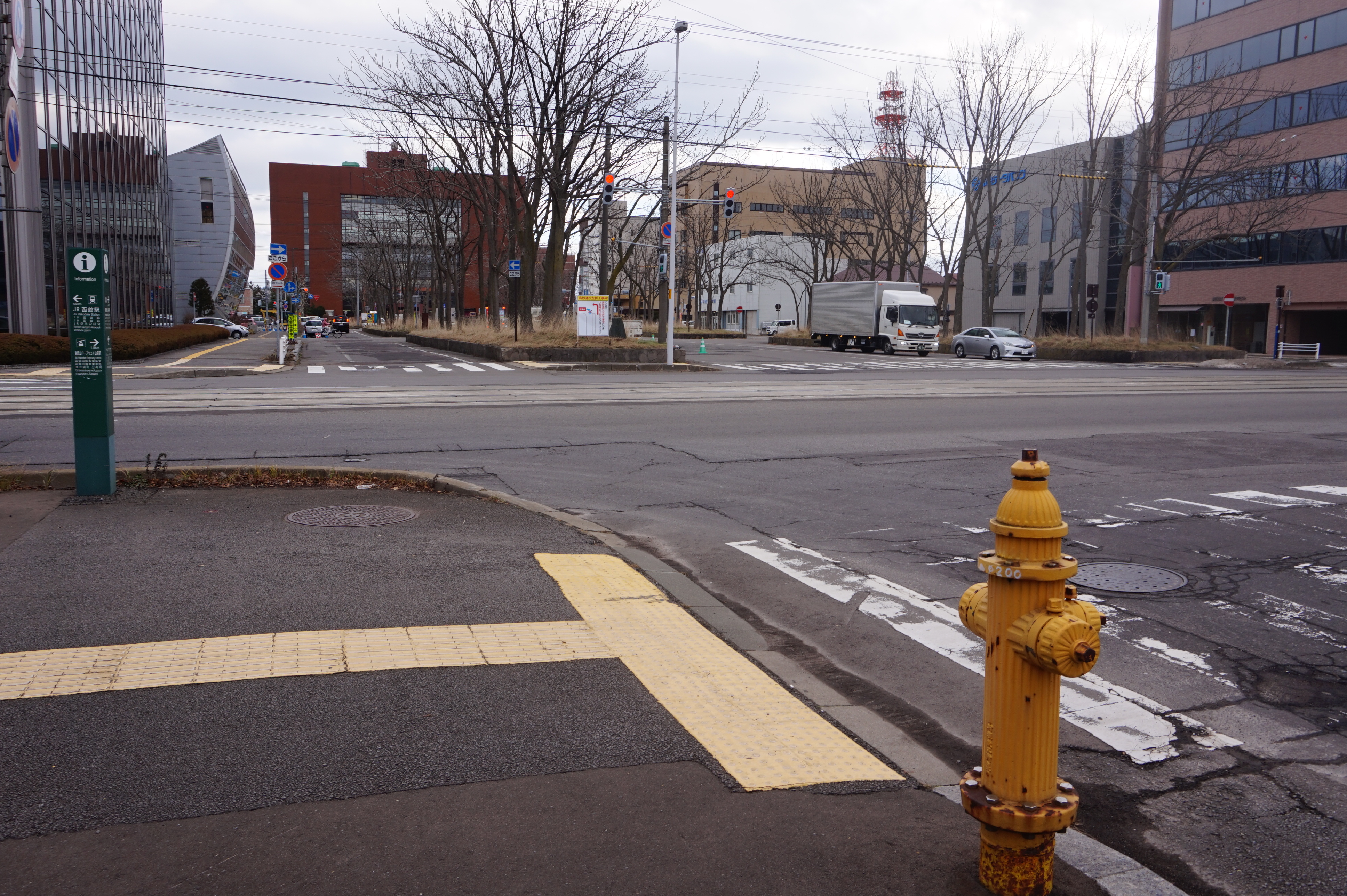
The Hakodate Green Plaza, part of the green belts, is a popular space for locals and tourists to relax. Hakodate also introduced plumbing in 1894, and used fire hydrants buried underground. However, based on their experiences in the Great Fire, the city sent staff to the US to study how to put out fires quickly, and using this information as a reference for their shape and size introduced above-ground fire hydrants unique to Hakodate in 1937. While many other fire hydrants only have one spout, the Hakodate style has three which allows for a large volume of water, and with their eye-catching yellow, the design of the fire hydrants has become part of Hakodate’s unique cityscape.
◆The tour will see the city from atop Mt. Hakodate in the daytime, and hear from Mr. Dai Konishi, head of the City of Hakodate Fire Department Headquarters Fire Prevention Section, about the unique geography of Hakodate and the history of the 1934 Great Fire of Hakodate. Mr. Hajime Chano, manager of the City of Hakodate City Construction Department City Planning Section, will also explain the background behind implementing the green belts as part of the reconstruction plan. The tour will also have the opportunity to film and photograph the green belt and above-ground fire hydrants in the city.
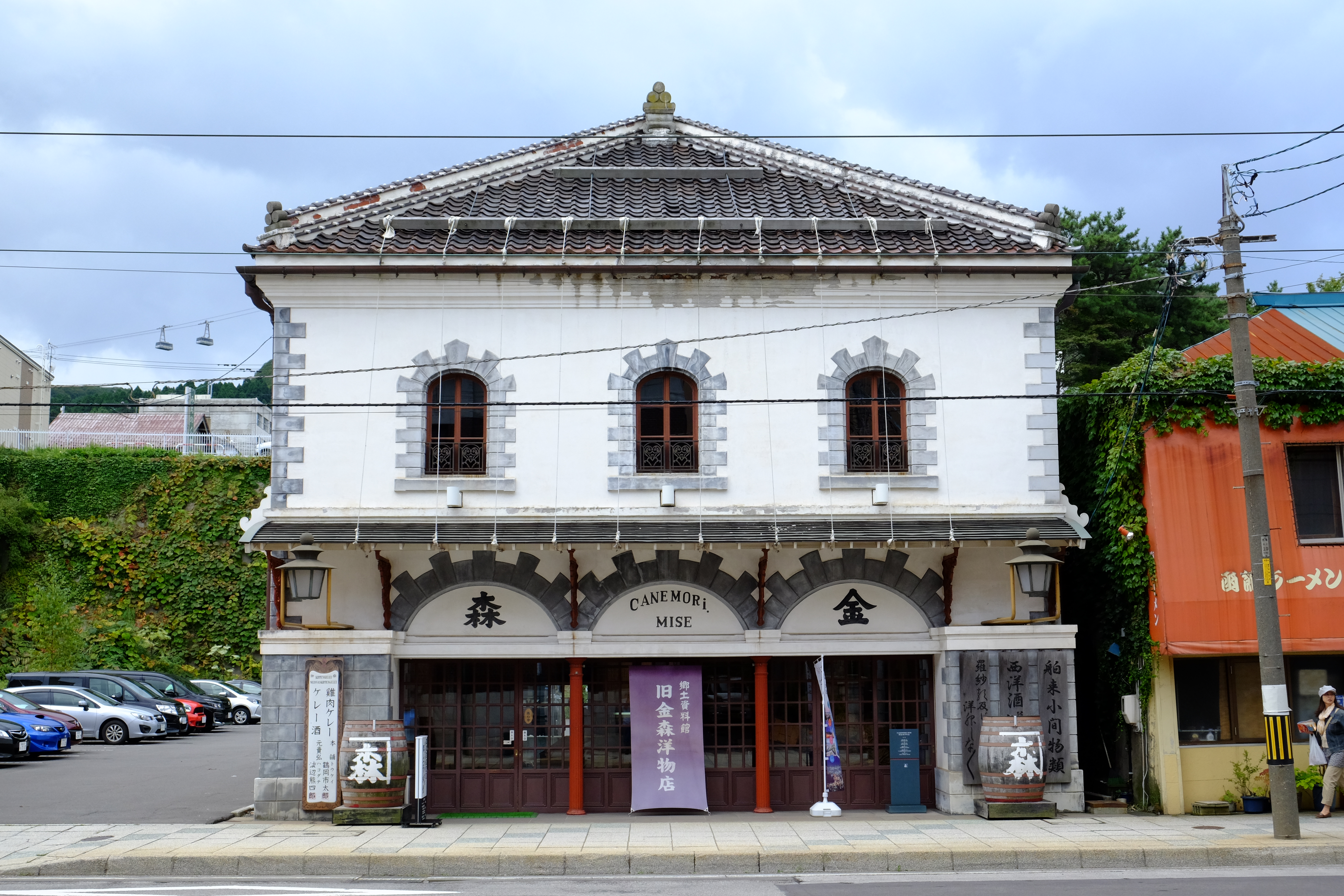
2. Former Kanemori Western Goods Store (Hakodate City Museum of Local History)
—Surviving multiple fires to tell the history of the city’s development to this day
-
[Photo courtesy of the City of Hakodate]
The Former Kanemori Western Goods Store (Hakodate City Museum of Local History) was built in 1880 after the main and branch stores of the Western goods stores run by Mr. Kumashiro Watanabe, founder of the Kanemori Red Brick Warehouse which has become a famous Hakodate landmark, burned down in the fire of 1879. He built the building to be fire resistant, incorporating the latest British bricklaying techniques and stucco. Although damaged in the 1907 fire, its tough construction prevented it from burning down, and its existence to this day helps pass down the history of the fires of Hakodate.
Inside are a variety of exhibits of Western objects imported from overseas demonstrating the haikara (“high collar”) culture (Western clothes, culture, and concepts) of Hakodate in the Meiji period (1868–1912). Exhibits replicating a Meiji-period place of business enable visitors to experience what life was like at the time. The museum covers the history of Hakodate’s modernization as one of the first ports to open to the West, and of city planning which took fires into consideration.
◆The tour will visit the Former Kanemori Western Goods Store (Hakodate City Museum of Local History) and hear from Ms. Kaori Imaizumi, director of the museum, about the museum, its fire-resistant construction, and the unique development of Hakodate culture as it incorporated Western culture, while touring the museum.
3. Hakodate West Area Re-Design Co., Ltd. (HWeR)
—Utilizing historical structures and preventing “hollowing out”

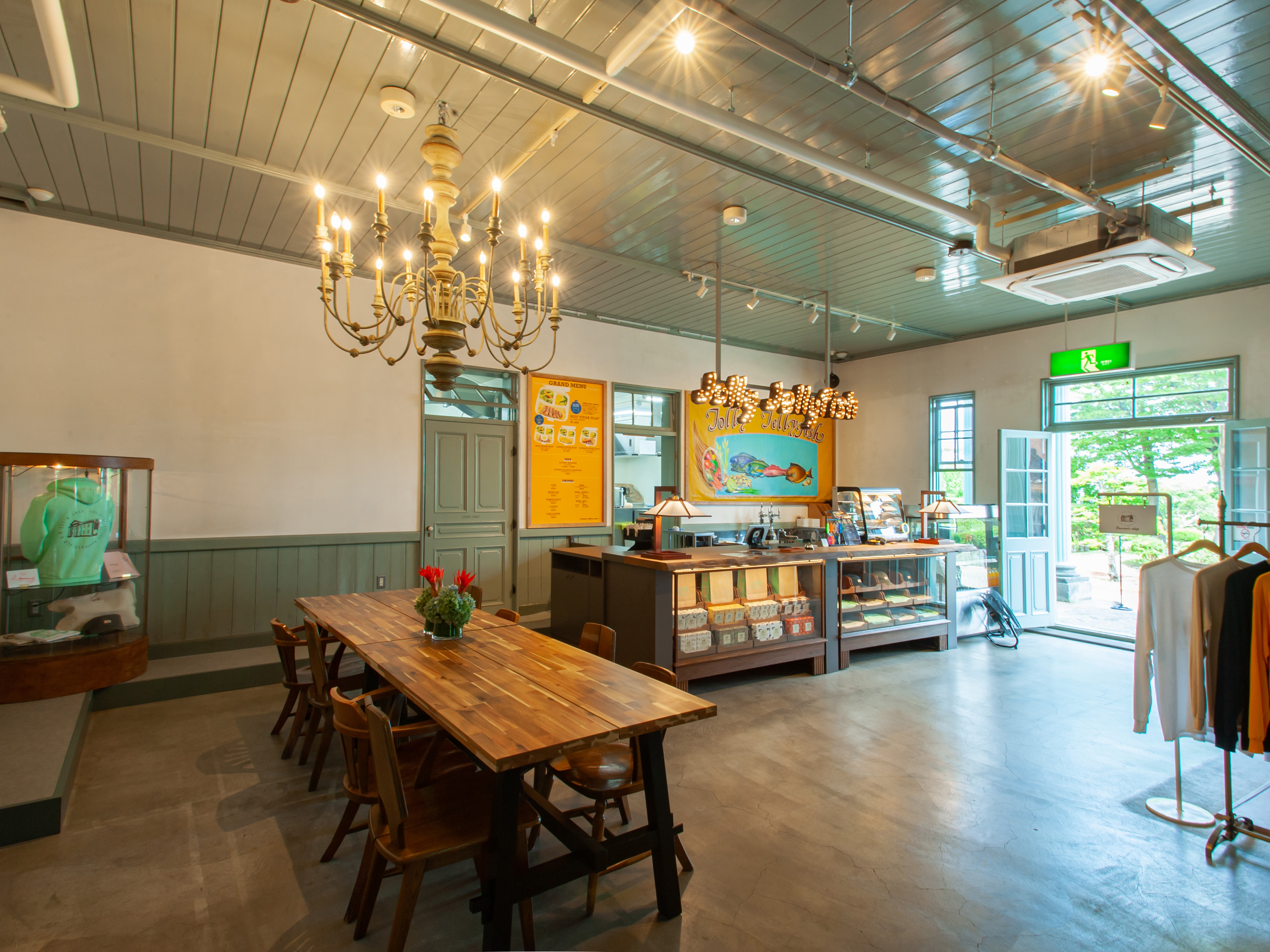
One of Hakodate’s popular tourist areas is the Western District, known for its historical buildings and port city views. Located at the foot of Mt. Hakodate, many residences with a unique mix of Japanese style for the first floor and Western style for the second floor remain. The blend of these mixed-style residences, traditional Japanese architecture, and Western architecture such as the Old Public Hall of Hakodate Ward and the Holy Resurrection Orthodox Church of Hakodate create a unique cityscape.
However, with population decline and the aging population, there have been a growing number of vacant buildings and vacant lots in the area, with “hollowing out” due to unused buildings and land being dotted around the area becoming an issue. After reaching a peak of approximately 350,000 in 1980, Hakodate’s total population has been declining, and as of the end of September 2023 it was approximately 240,000 according to the Basic Resident Register census. In response to this situation, the city has been working to encourage the utilization of little used or unused real estate, including vacant houses and lots, as well as implementing the Hakodate Western District Redevelopment Project with the goal of “city planning fusing residency and tourism.”
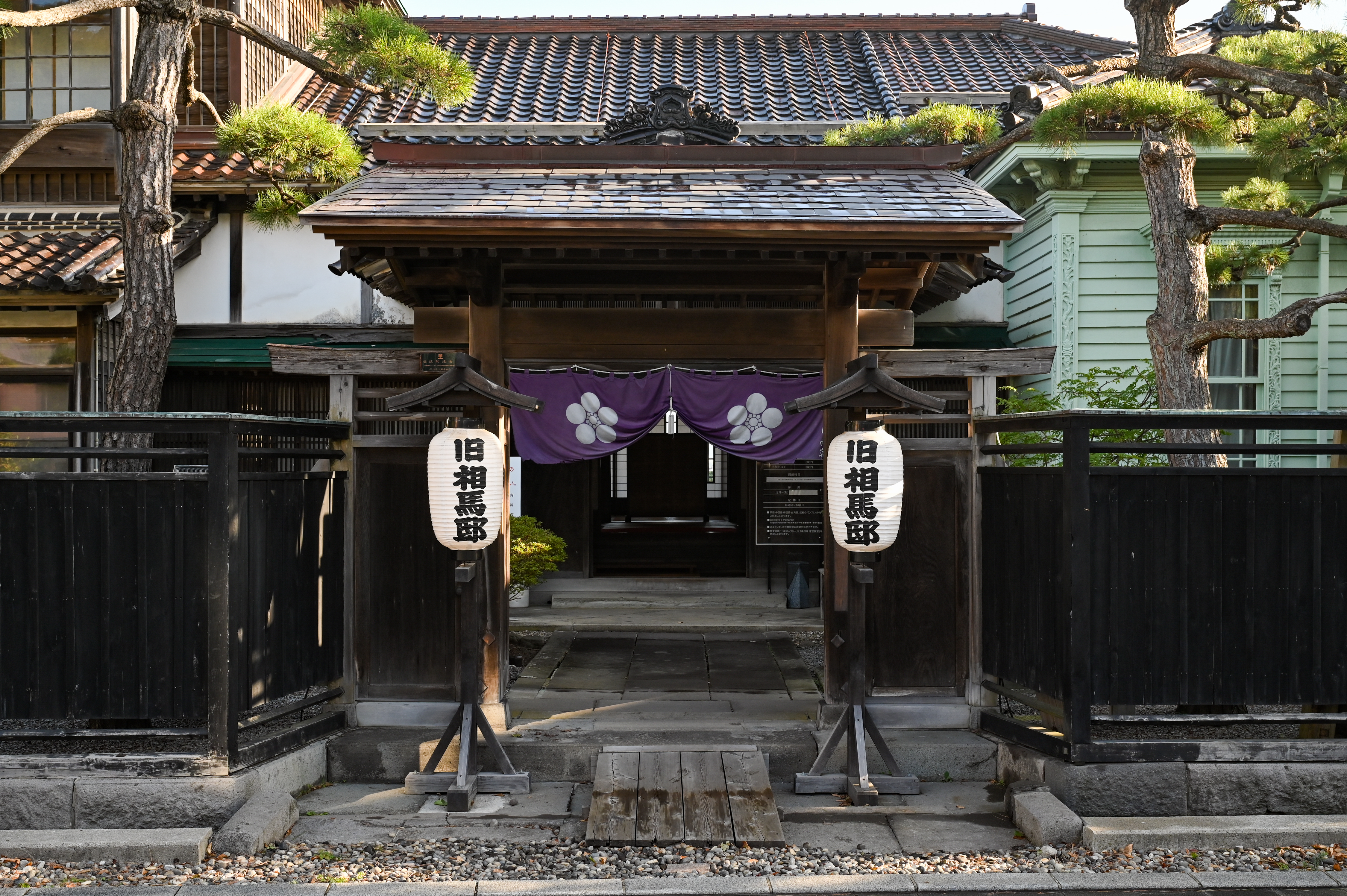
Taking a leading role in this project is Hakodate West Area Re-Design Co., Ltd. (HWeR), a company established in 2021 through public-private funding, initially promoted by the City of Hakodate and the Hakodate Chamber of Commerce. Mr. Taku Kitayama, HWeR’s president, relocated to Hakodate from Saitama Prefecture, and using his experience in the private sector is working to recover the population of permanent residents through relocation and increase the number of temporary visitors, through utilization of little used or unused real estate, maintenance and management of public spaces, disseminating information, and holding events.
In 2022, a restaurant opened in the Old Hakodate Branch Office of the Hokkaido Government which was built in 1909, and a private company opened its office in the Old Kato Residence (Old Taiyo Gyogyo Hakodate Office) which was built in 1913. In 2025, with joint funding from Yamori Co., Ltd., HWeR established a company to rent out vacant houses in Hakodate. Working together with local financial institutions, the company has begun a business renting out vacant houses in Hakodate as residential rental properties.
-
[Photos courtesy of Hakodate West Area Re-Design Co., Ltd. (HWeR)]
◆The tour will visit the Hakodate Community Design Center and hear from Mr. Taku Kitayama, president of Hakodate West Area Re-Design Co., Ltd. (HWeR), about the history and unique aspects of the Western District, the current state of hollowing out, and efforts to utilize historical structures and vacant houses. Around the Western District, the tour will also visit the renovated Old Hakodate Branch Office of Hokkaido Government which now has a restaurant running out of it, and a hotel which opened in the Old Souma House, a National Important Cultural Property, while learning about efforts to utilize historical buildings, cooperation among the community, and future plans for the Western District.
Tour Itinerary
1. Dates:
Thursday, February 5–Friday, February 6, 2026
2. Schedule:
[Thursday, February 5]
- 7:10-8:30
-
Haneda Airport - Hakodate Airport (ADO057)
- 9:00-10:00
-
Welcome remarks from Mr. Jun Oizumi, mayor of Hakodate / Briefing by the City of Hakodate Tourism Department, Tourism Promotion Section
- 10:30-11:40
-
Hakodate Anchovy Project
- 11:50-12:40
-
Lunch
- 12:50-14:05
-
Hakodate Mariculture Project
- 14:30-17:00
-
Goryokaku Park, Hakodate Magistrate’s Office, Goryokaku Tower (Viewing the Goryo Hoshi no Yume illumination)
- 18:30-20:00
-
Dinner
- 20:30
-
Arrive at hotel (in Hakodate)
[Friday, February 6]
- 5:30
-
Depart from hotel
- 5:45-6:45
-
Hakodate Local Seafood Wholesale Market
- 8:45
-
Depart from hotel again
- 9:00-10:30
-
Hakodate West Area Re-Design Co., Ltd. (HWeR)
- 10:45-11:15
-
Former Kanemori Western Goods Store (Hakodate City Museum of Local History)
- 11:25-12:30
-
Observation and lunch (@Kanemori Red Brick Warehouse)
- 13:00-15:00
-
The Landscape from the Peak of Mt. Hakodate, Hakodate’s Green Belts and Above-ground Fire Hydrants
- 15:30-17:30
-
de Montille & Hokkaido Project
- 19:05-20:35
-
Hakodate Airport - Haneda Airport (ANA558)
3. Qualification:
Bearer of the Ministry of Foreign Affairs of Japan Press Registration Card (in principle)
4. Cost:
15,000 yen per person, including transportation, accommodation (lunches for 2 days, dinner for day 1, and breakfast included)
*Information on payment and cancellation fee will be provided to participants.
*Participants will be required to pay their own transportation costs to the meeting place before the tour, and after the tour ends
5. Participants:
Limited to 10 participants.
(Only one reporter or one photographer from each company, but two participants from each TV team will be acceptable.)
*Participants will be determined by the tour organizer.
6. Please be sure to confirm and agree to the following before applying
6-1. Basic Information
(1) This tour is organized by Hakodate City Overseas Tourism Promotion Council and run by the FPCJ.
(2) The schedule is subject to change without notice.
(3) This tour will require participants to bear a part of the cost but is not a profit-making venture.
(4)Hakodate City Overseas Tourism Promotion Council and the FPCJ take no responsibility for any accidents, injuries, illness, or other problems which occur during the tour.
(5) There may be some restrictions on photographing and filming at the tour sites. Please follow the instructions of the staff in charge.
(6) This press tour is intended to provide opportunities for news coverage. We request that all participants send a copy of the content of their coverage (article, video, or audio in the case of radio) to Hakodate City Overseas Tourism Promotion Council through the FPCJ after their reports are published or aired. When your report is in a language other than English or Japanese, we also ask you to provide a summary in English or Japanese. By submitting your application, we assume that you have agreed to these conditions.
6-2.Handling of Personal Information
When applying for the tour, you agree to the below:
*Regarding the handling of personal information, the press tour organizers and operators will respect Japan’s Act on the Protection of Personal Information and all other laws and guidelines on the protection of personal information and handle personal information appropriately.
(1) The tour operators will, when there is a need to do so for the press tour, provide the personal information provided when applying (organization name, personal name, etc.) to other parties in the following cases:
-To arrange travel or insurance through travel agencies (Information provided to: Travel agencies, accommodation operators, transportation operators, insurance companies)
-To ensure smooth operations during the tour (Information provided to: Interpreters, stops on the tour, interviewees)
(2) The tour operators, to ensure smooth operation of the tour, will share the personal names and organization names of applicants with the tour organizers.
6-3.Recordings by Press Tour Organizers or Operators During the Tour
When applying for the tour, you agree to the below:
(1) For the record-keeping purposes, the tour operators may film or photograph the tour while it is happening. The copyright holders for these photos or videos will be the tour organizers.
(2) Photos, videos, or articles of the press tour may be uploaded to websites or social media accounts operated by the organizers or operators.
(3) The likeness or voice of participants may appear in the abovementioned photos or videos, but you agree to their use by the organizers or operators.
7. FPCJ Contacts:
Watanabe (Ms.), Mizutani (Ms.)
Media Relations Division
(Tel: 03-3501-3405, E-mail: ma@fpcjpn.or.jp)
◆When applying for the tour, you agree to the following conditions◆
- Press tours have participants from multiple media organizations, and interviews, filming, and photographing are generally carried out jointly. There is no guarantee that you will be able to perform individual interviews or take individual videos at any of the stops on the tour.
- You must follow the instructions of the tour organizers and operators regarding the tour schedule, timing, and restrictions on taking videos or photos. If you refuse to follow instructions, you will no longer be allowed to participate in the press tour from that point on.

