
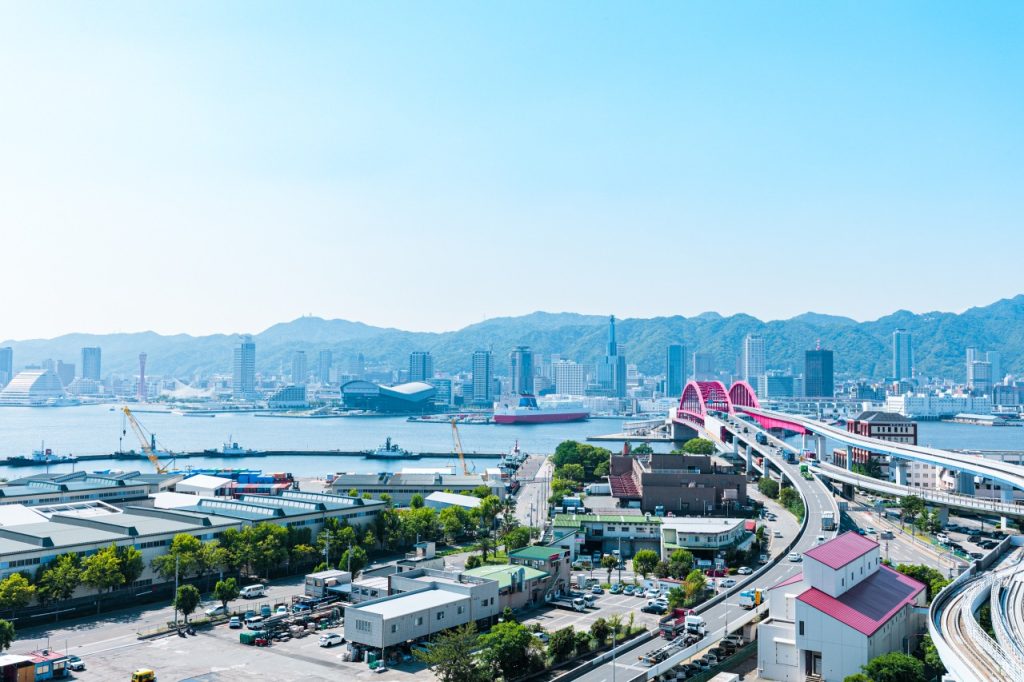
OVERVIEW
- Tour Dates
- Monday, January 19–Tuesday, January 20, 2026
- Place
- Kobe
- Participants
- Limited to 10 participants.(Only one reporter or one photographer from each company, but two participants from each TV team will be acceptable.)
- Topic
- Sustainable City Planning in the Age of Population Decline
Purpose of Tour
As there are already more applications for this press tour than there are positions available, we will be closing applications. Thank you for your understanding.
January 7, 2026
Since reaching a peak of 128.08 million in 2008, Japan’s population has been declining, and according to the Basic Resident Register census the population as of January 2025 was 124.33 million, approximately 550,000 less than the previous year. This decline is the equivalent of losing a major city every year. In order to respond to the population decline, the Japanese government established the Population Strategy Headquarters in November 2025, and indicated their intent to maintain social welfare services, promote countermeasures against the declining birth rate, create new regional economies, and coexist with foreign workers. In addition to the national government, local governments are also implementing initiatives to attract new residents and lessen the pace of population decline, with much attention being given to how local governments should operate in the age of population decline.
Following Mayor Kizo Hisamoto’s call for city management with population decline as an assumption, the City of Kobe has worked on city planning based on data gained through its own future population estimates with detailed analyses of districts and resident ages according to the unique characteristics of the city’s demographics and the movement of people into and out of the city as well as within the city. The City of Kobe revised its bylaws in July 2020 to designate the city center as a District for Attracting City Center Functions, taking into account the need to create an attractive and vibrant city with a well-balanced mix of diverse urban functions and residential functions, instead of concentrating the population in high-rise apartments in the city center. By limiting residential functions to a certain extent, the City of Kobe aims to achieve a high concentration of commercial and business functions in the city center, ensuring it remains a vibrant hub decades from now. As Japan as a whole faces population decline, the City of Kobe has been pursuing balanced city planning that considers the roles of the city center and suburbs. The goal is to create a sustainable city.
-
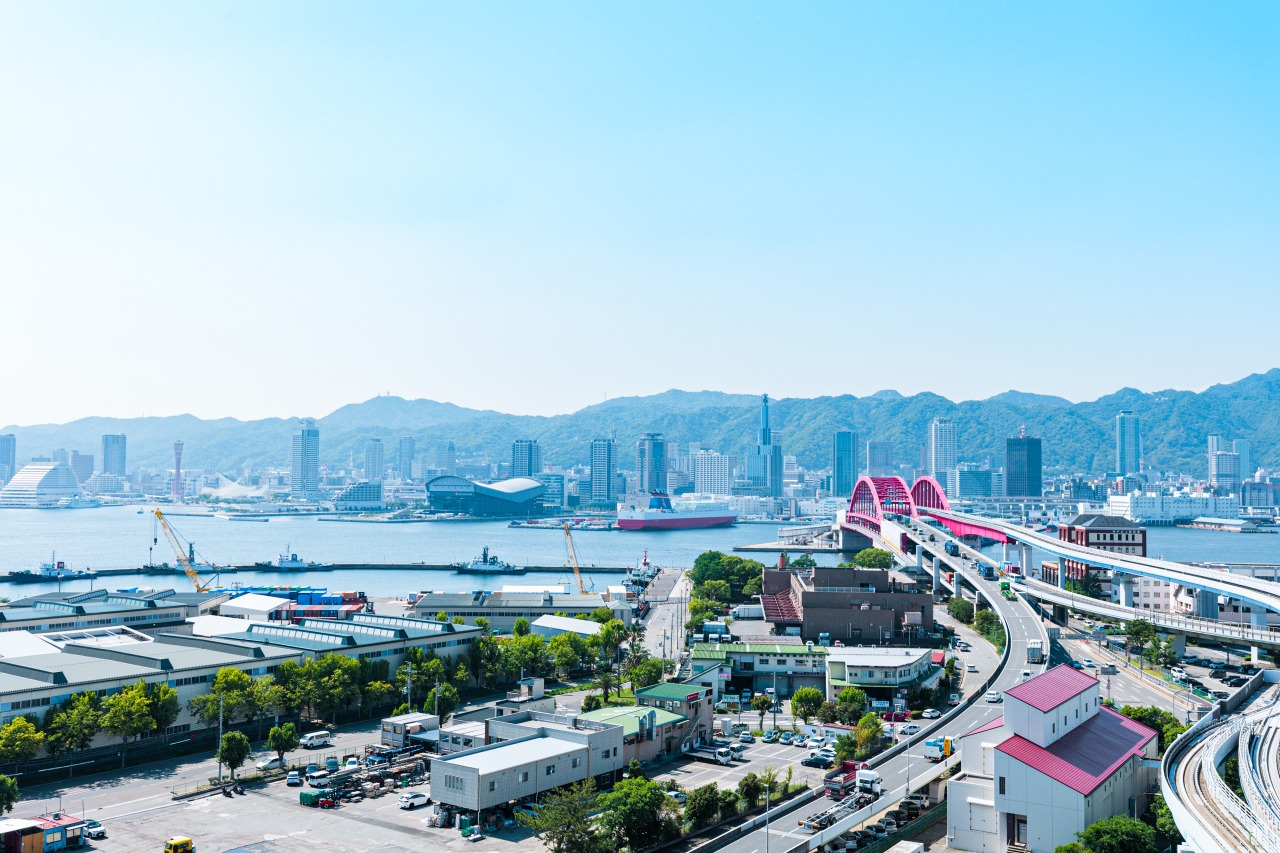
(*Photography / Filming from this location will not be possible during the tour.)
[Photo courtesy of the City of Kobe]
◆The tour will cover Kobe’s initiatives for balanced city planning while facing the issue of population decline, carrying out integrated efforts for revitalization of three areas: the city center, the suburbs, and the forests/satoyama. In addition to an interview with Mayor Kizo Hisamoto about Kobe’s vision of sustainable city planning in the age of population decline, the tour will also cover reuse of vacant buildings and vacant lots, which is also becoming an issue nationwide due to population decline and the aging population. Finally, the tour will cover efforts for forest regeneration and maintenance, a cyclical model using the phosphorus and digestive gases from sewage treatment as resources, and disaster prevention efforts based on lessons from the Great Hanshin-Awaji Earthquake.
Tour Details
1. Interview with Kobe Mayor Kizo Hisamoto
—Kobe’s Vision of Sustainable City Planning in the Age of Population Decline
Kobe is carrying out sustainable city management with population decline as an assumption. With concerns over future sustainability due to a shortage of public infrastructure due to large numbers of high-rise apartments being built in the urban area of Kobe, the “spongification” of suburban areas (when vacant buildings and lots create “holes”), and the difficulty of achieving consensus for large-scale repairs, the city center of the commercial area around Sannomiya was designated as a District for Attracting City Center Functions in July 2020, and Kobe is planning the city for the next generation by gathering commercial and office facilities in the city center to create activity there. Using the city’s own unique future population estimates, the city is implementing countermeasures for vacant buildings and vacant lots, policies for regenerating forests and satoyama (border areas between nature and land used by humans), and regenerating the city center, suburbs, and satoyama as a whole, implementing balanced city planning for the age of population decline.
-
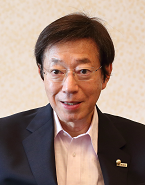
Kobe Mayor Kizo Hisamoto
[Photo courtesy of the City of Kobe]
◆The tour will hear from Mayor Kizo Hisamoto about the City of Kobe’s sustainable city planning initiatives in the age of population decline.
2. Redeveloping the City Center and Waterfront
—Concentrating Commercial and Business Functions in the Sannomiya Area
/Redevelopment Using the Unique Characteristics of Each Area
-
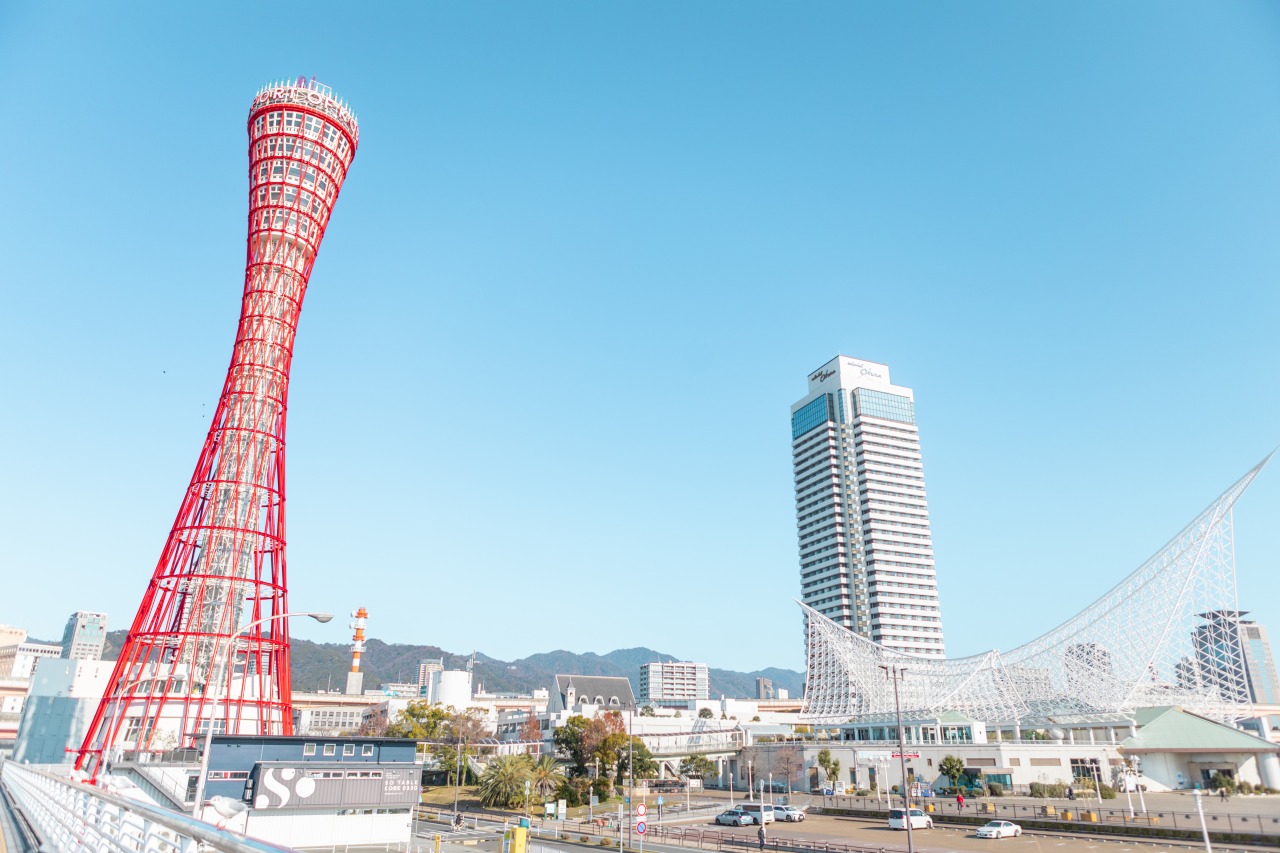
Kobe Port Tower
[Photo courtesy of the City of Kobe]
Kobe is redeveloping the city center, suburbs, and other areas by taking advantage of the unique characteristics and roles of each area. In order to encourage a concentration of commercial and business functions, the city center area around Sannomiya was designated as a District for Attracting City Center Functions in July 2020. Currently, large- scale redevelopment is underway around Sannomiya with the goal of making the city center into an area where anyone can enjoy shopping, gourmet food, and the art scene. Starting with the completion of construction on the north side of the station in 2021, development is also underway on a new JR station building and the largest bus terminal in western Japan, with plans for Sannomiya to undergo a dramatic evolution by 2030.
In the waterfront area with Kobe Harbor, Glion Arena Kobe, with a capacity of up to 10,000 people, opened in April 2025, and is expected to bring more people to the area. Kobe Port Tower, a landmark in the city, is also being renovated and a new marina is opening in the spring of 2027, with redevelopment being carried out throughout the area to attract more tourists. As Kobe evolves into a new international city with the Kobe Airport becoming an international airport in April 2025, over the next 10 to 15 years the goal is to make the waterfront an attractive area creating new value, based on the Kobe Waterfront Grand Design.
-
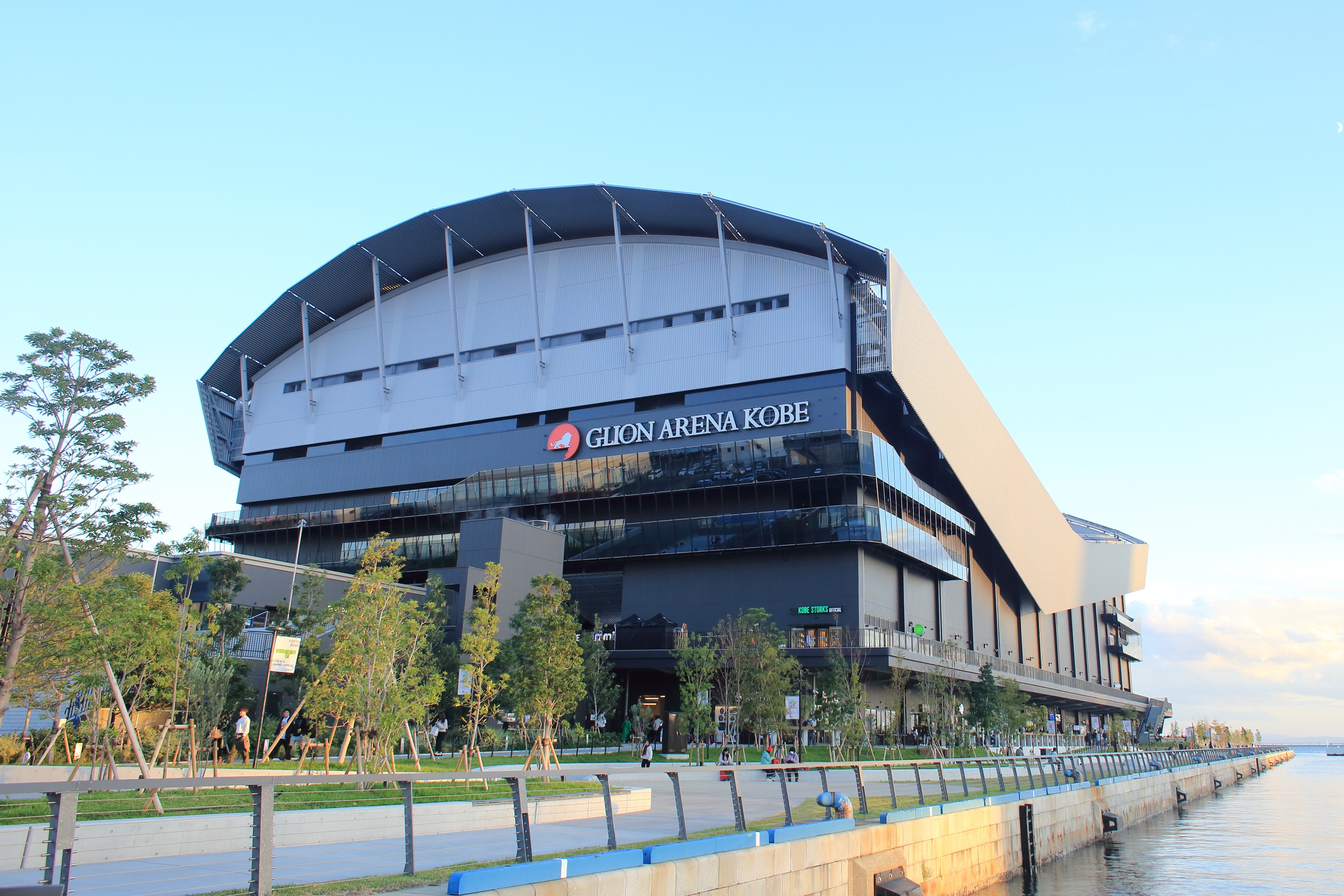
Glion Arena Kobe
-
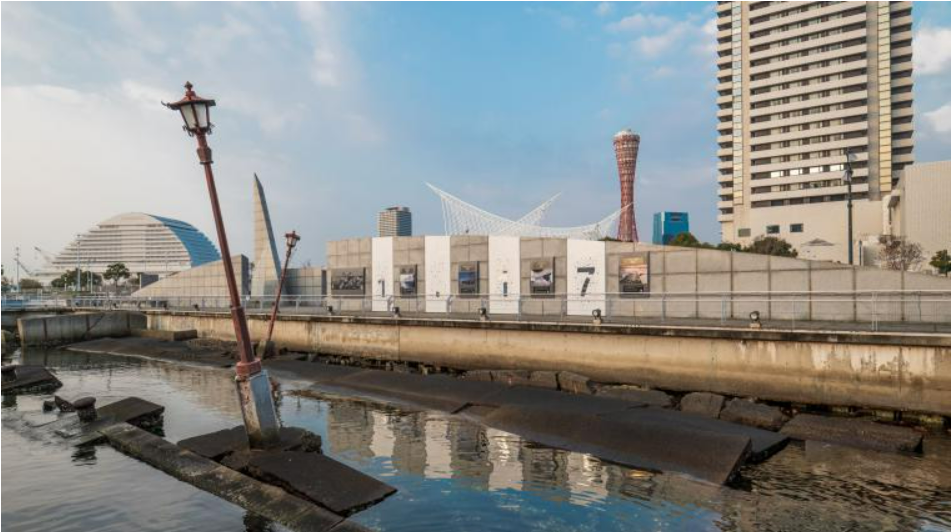
Kobe Earthquake Memorial Park
-
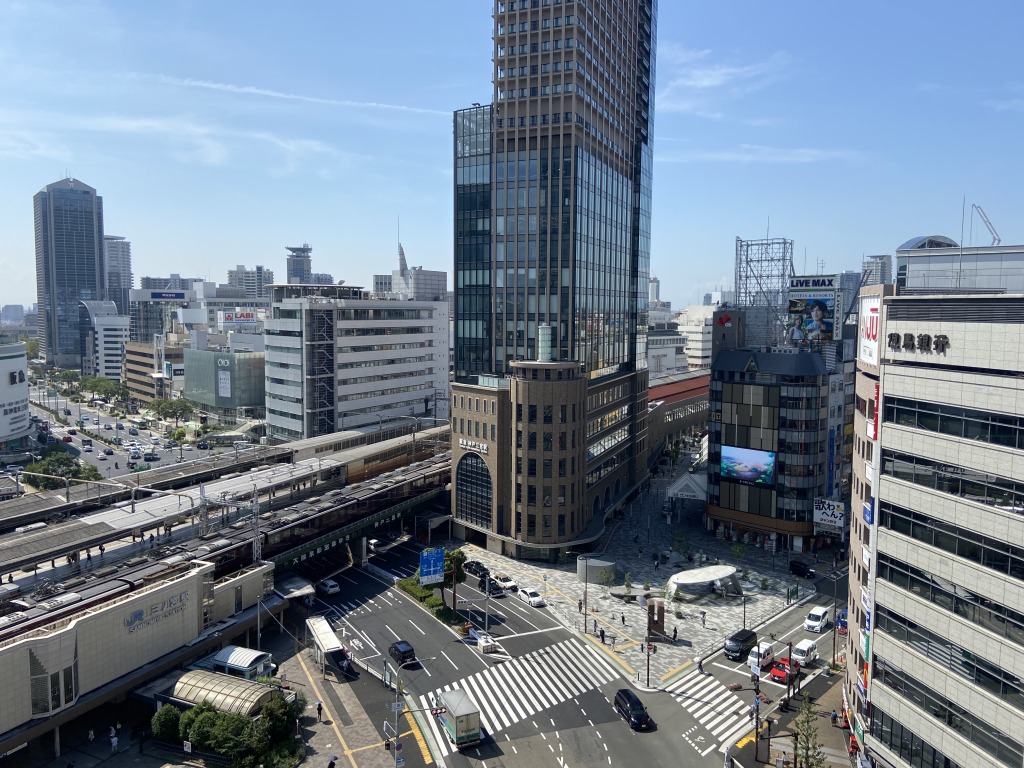
Sannomiya area where redevelopment is underway
(*Photography / Filming from this location will not be possible during the tour.)
[Photos courtesy of the City of Kobe]
◆The tour will visit the waterfront area which has been reborn through redevelopment, as well as the Port of Kobe Earthquake Memorial Park where part of the wharf wall damaged in the Great Hanshin-Awaji Earthquake has been preserved. The tour will also visit the Sannomiya area where redevelopment is underway.
3. Reusing Vacant Buildings and Vacant Lots
Due to increasing population decline and the aging population, the growing number of vacant buildings and vacant lots has become a significant issue throughout the country. The number of vacant buildings in Kobe was 118,400 as of 2023, with approximately 14% of buildings vacant, around the national average. The City of Kobe has positioned countermeasures against vacant buildings and vacant lots as a priority policy. It is actively promoting the use of vacant houses and vacant lots through initiatives such as a project to utilize vacant buildings in cooperation with architects, subsidy systems to support the use of vacant buildings and vacant lots, and subsidies for dismantling vacant buildings in disrepair. The city has also established a consultation desk for vacant buildings and vacant lots, providing support such as information on what vacant buildings are on the market, using vacant buildings for new purposes in local areas, matching with NPOs, and dismantling old buildings, using new ideas to fight the spongification of the city and enhance its appeal.
(1) Initiatives for Reusing Vacant Buildings: Aikoya and Tani Apartment in Hyogo Ward,
Kobe Creating a Community Space for People of Diverse Backgrounds Using Vacant Houses
Hyogo Ward, Kobe, at the foot of Mt. Rokko, was the site of construction as a residential area when the city was expanding in the early Showa period (1926–1989), before the widespread adoption of automobiles, and in between its roads too narrow for cars are many residences that avoided being damaged in WWII or the earthquake. With the narrow roads and closely packed buildings, rebuilding and renovating is difficult in the area, and with the increasing age of residents in recent years, the area has more and more vacant buildings.
Ms. Aiko Murakawa, wanting to make a space for local adults and children to gather, bought a traditional house built 100 years ago and renovated it to make Aikoya. For the renovation cost, she received subsidies from the City of Kobe targeting projects reusing vacant buildings to contribute to society or for community activities through collaboration with architects, and revived this traditional home that had been vacant for approximately 10 years. Currently, Aikoya has a “cafeteria for everyone” where meals are free for children and inexpensive for adults, and holds classes for flower arrangement along with a variety of workshops, making it a place for people from the community to gather.
Tani Apartment, located next to Aikoya, was renovated by Mr. Shuji Nishimura, who has extensive experience in vacant house revitalization projects in areas such as Umemoto-cho within the same Hyogo Ward. Hoping to create more spaces for artists and creators in Kobe, he renovated an old, deteriorating wood-frame apartment building into a studio-equipped apartment complex. This building also features a shared space, serving as a hub for interaction that connects local residents with artists and creators. Recently, collaborative events between Tani Apartment and Aikoya have been held, further expanding initiatives for community exchange.
-
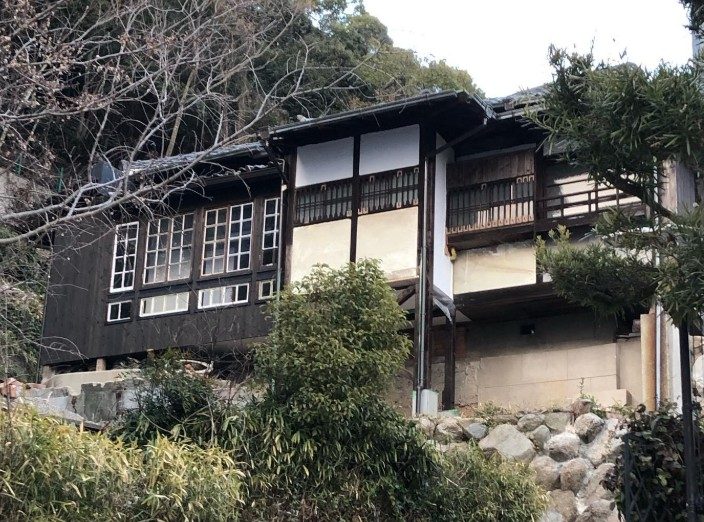
Exterior of Aikoya
[Photo courtesy of Aikoya] -
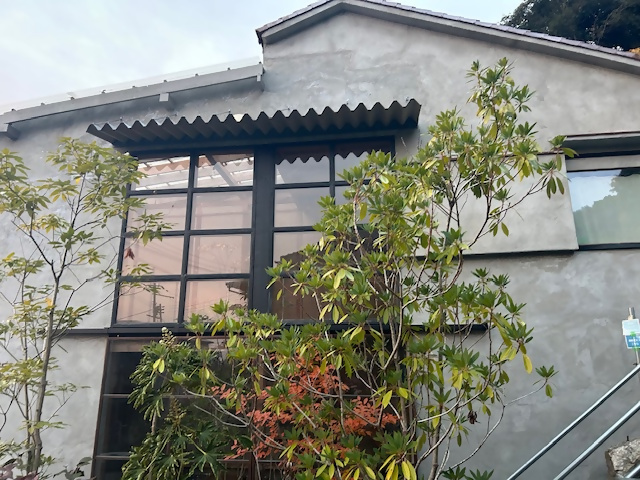
Exterior of Tani Apartment
[Photo courtesy of the City of Kobe]
◆The tour will visit Aikoya and Tani Apartment as examples of a vacant buildings being reused in Kobe, and hear from a city official about the city’s policies related to vacant buildings. The tour will also hear from Ms. Aiko Murakawa and Mr. Shuji Nishimura about background and local initiatives using both buildings, as well as seeing the interior of the renovated traditional homes.
(2) Reusing Vacant Lots: Intercultural Garden and Osanpo-batake in Nagata Ward, Kobe Community Building Born from Reusing Vacant Lots
Nagata Ward, which has a high number of vacant buildings and vacant lots even for Kobe, is an area that suffered significant damage from fires and buildings collapsing in the 1995 Great Hanshin-Awaji Earthquake. Lots where buildings burned down in fires caused by the earthquake or the buildings were dismantled afterwards, and the owner never returned, are left behind in a patchwork and responding to these vacant lots and vacant buildings is a challenge for the area. With a system for sustainable maintenance needed, some initiatives involving local residents have been gaining attention.
The Intercultural Garden is a vegetable garden found past a narrow street in a small lot surrounded by residences. This project was started by Ms. Chiaki Kim, a community radio producer who has continued providing information support to foreign residents since the Great Hanshin-Awaji Earthquake. With subsidies from the City of Kobe’s system supporting the use of vacant lots, she revived this lot that had been left dormant since the earthquake. Now, local Vietnamese residents take care of the Intercultural Garden in their spare time and grow seasonal vegetables as well as herbs and vegetables frequently used in Southeast Asian cuisine, such as coriander and water spinach (kangkong). Sharing the vegetables grown in the garden also provides more opportunities for foreign residents to interact with other locals, with the Intercultural Garden playing a role as a new place for community exchange.
A few minutes walk from the Intercultural Garden is the Osanpo-batake, a garden with rental plots operated by the local volunteer group Akisuke Nagata, which rented the vacant lot which had been made when the old house on it was torn down. The 16 small plots, two square meters each, are rented out for 3,800 yen monthly per plot. Many of the users are local residents, who appreciate being able to experience a taste of farming near their home.
-
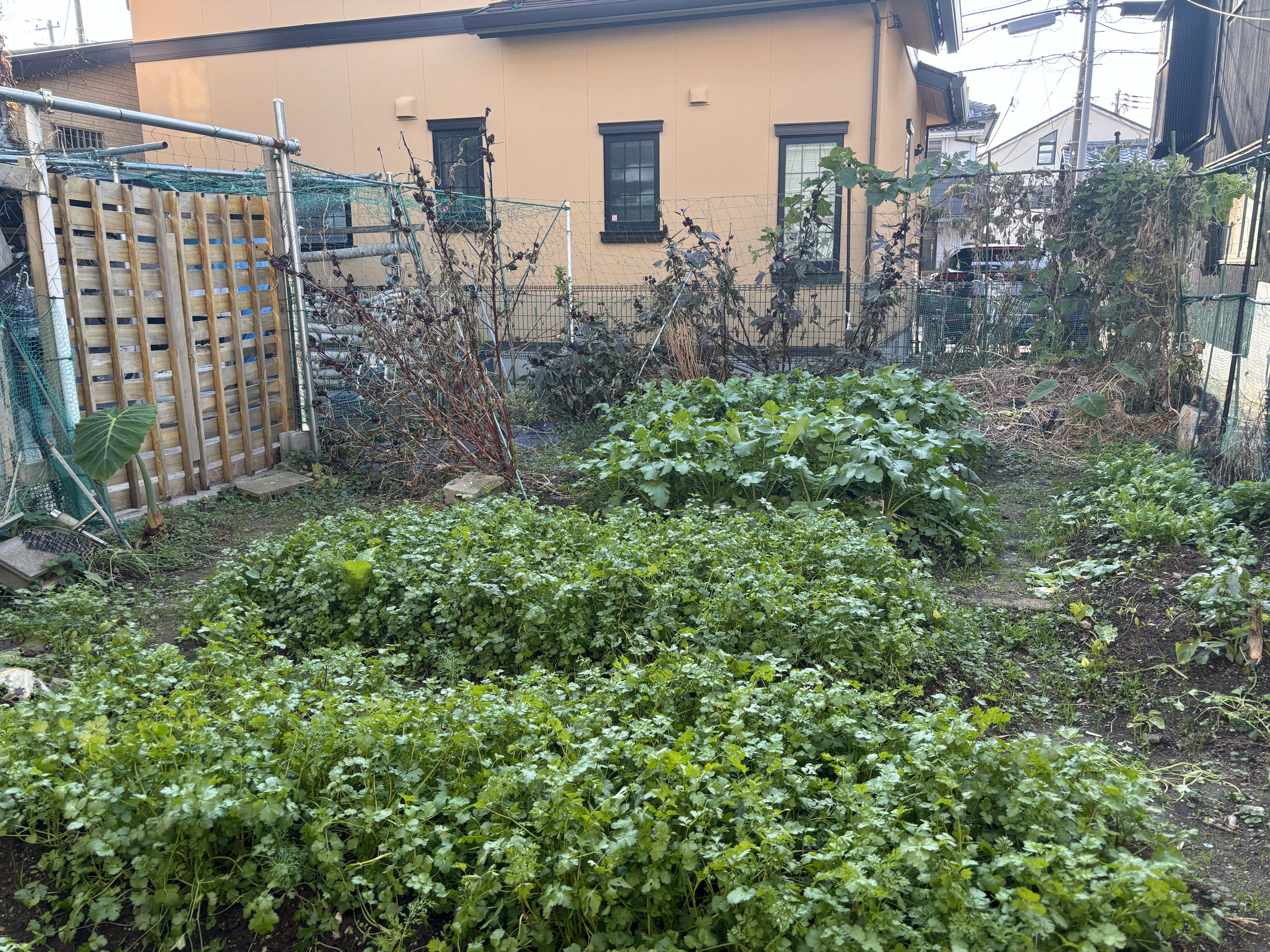
Intercultural Garden
-
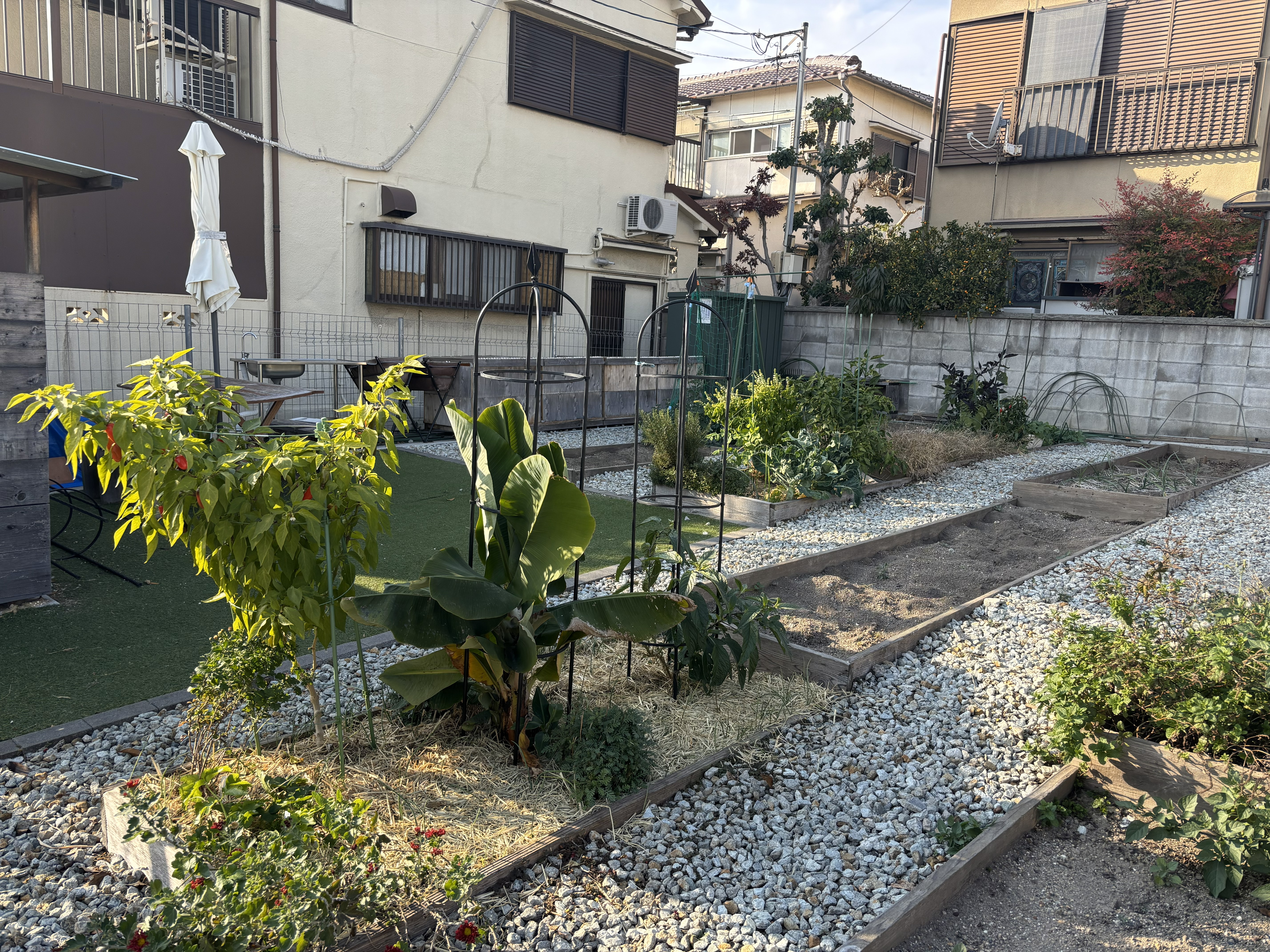
Osanpo-batake
◆The tour will visit the Intercultural Garden and Osanpo-batake in Nagata Ward as examples of vacant lots being reused in Kobe, and hear from a city official about the city’s policies related to vacant lots. Ms. Chiaki Kim, representative of the Intercultural Garden, will also discuss the background of its establishment and what kind of users it has.
4. Regenerating Forests and Satoyama, and Resource Cycles
(1) Forest Future City Kobe
The Kobe Model Connecting Forests, Satoyama, and the City
-
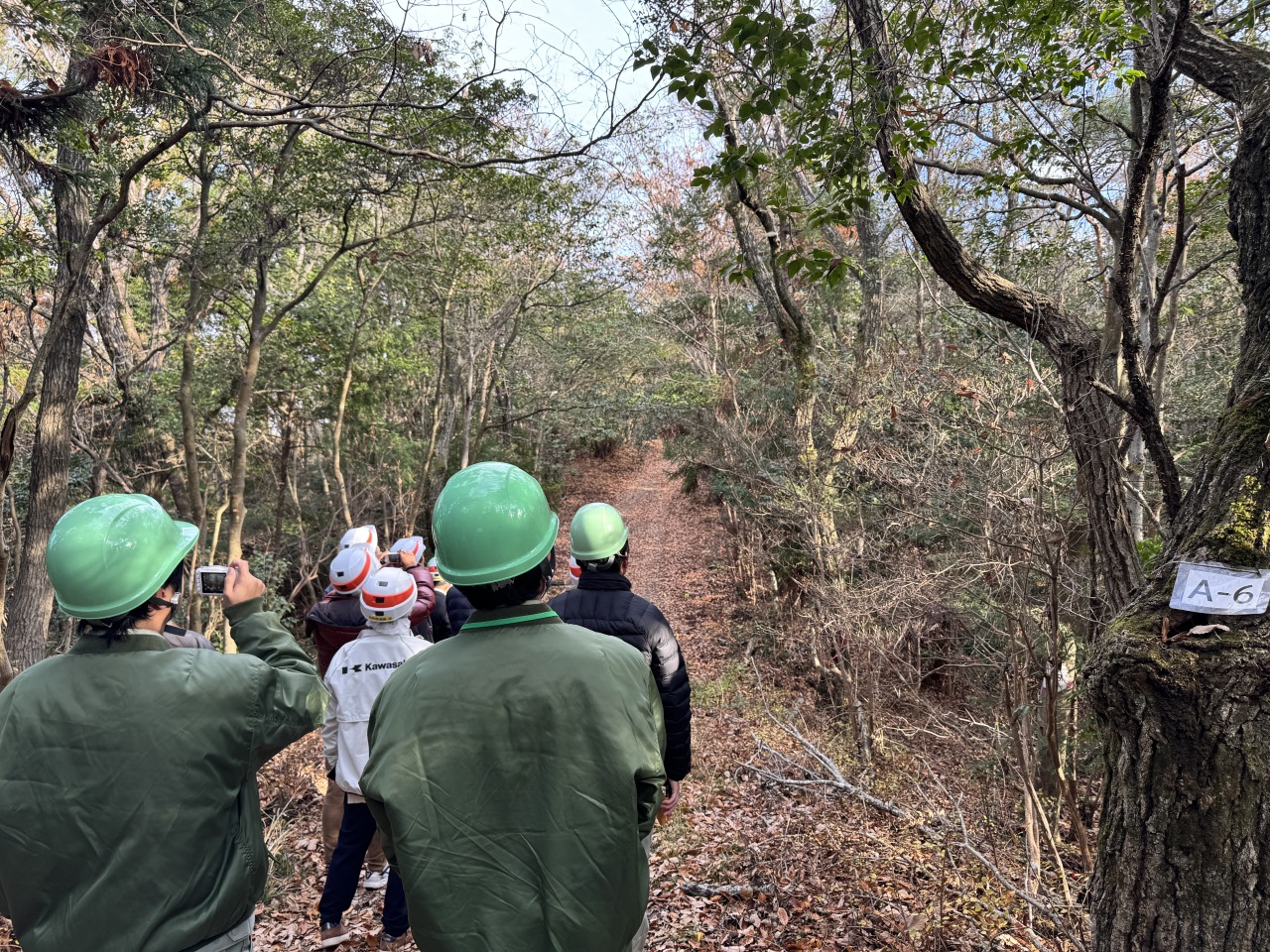
[Photo courtesy of the City of Kobe]
Approximately 40% of the area of Kobe is forests, making it a unique city where urban and rural areas are alongside each other. Many of the city’s forests are broadleaf forests, and in the past mature trees were harvested for use as fuel and fertilizer. However, since the postwar economic miracle, lifestyle changes and a lack of workers meant the forests were not properly maintained, with the forests and satoyama falling into neglect. The abandonment of the forests and satoyama has led to issues such as an increased risk of landslides, decreased biodiversity, and a rising number of wildlife incidents. The City of Kobe has started the Forest Future City Kobe project to work towards establishing a circular economy with forest resources being used sustainably for business.
As part of this project, in fiscal year 2024 the City of Kobe established the post of “forester” to survey the forests, create management plans, and raise public awareness. The lumber from forest maintenance and city development is also being used in public projects or sold to private distributors. The city has also established the Kobe Wood brand, creating a system for private businesses processing that wood into furniture or other products to use the Kobe Wood logo. As part of greenification efforts for the urban area, a project is also underway to transplant trees from Mt. Rokko to the area being redeveloped around Sannomiya Station.
The satoyama in the north of Kobe was also certified as a Nationally Certified Sustainably Managed Natural Site by the Ministry of the Environment in October 2023, an area where efforts are made for conserving biodiversity. In August 2024, Kobe was also the first area in Japan to be included as an OECM (Other Effective Area-Based Conservation Measures), an area contributing to biodiversity conservation, in an international database managed by the UN.
The Kobe Satoyama Nature Coexistence Center, which opened in November 2025, is a headquarters for management and conservation activities in the satoyama certified as a Nationally Certified Sustainably Managed Natural Site, where visitors can learn and participate in events. The goal is to have more people become involved with satoyama, such as urban residents, students, civic organizations, and universities, and work on sustainable efforts to conserve rare plants and animals, such as environmental planning and regenerating rice paddies and fields.
-
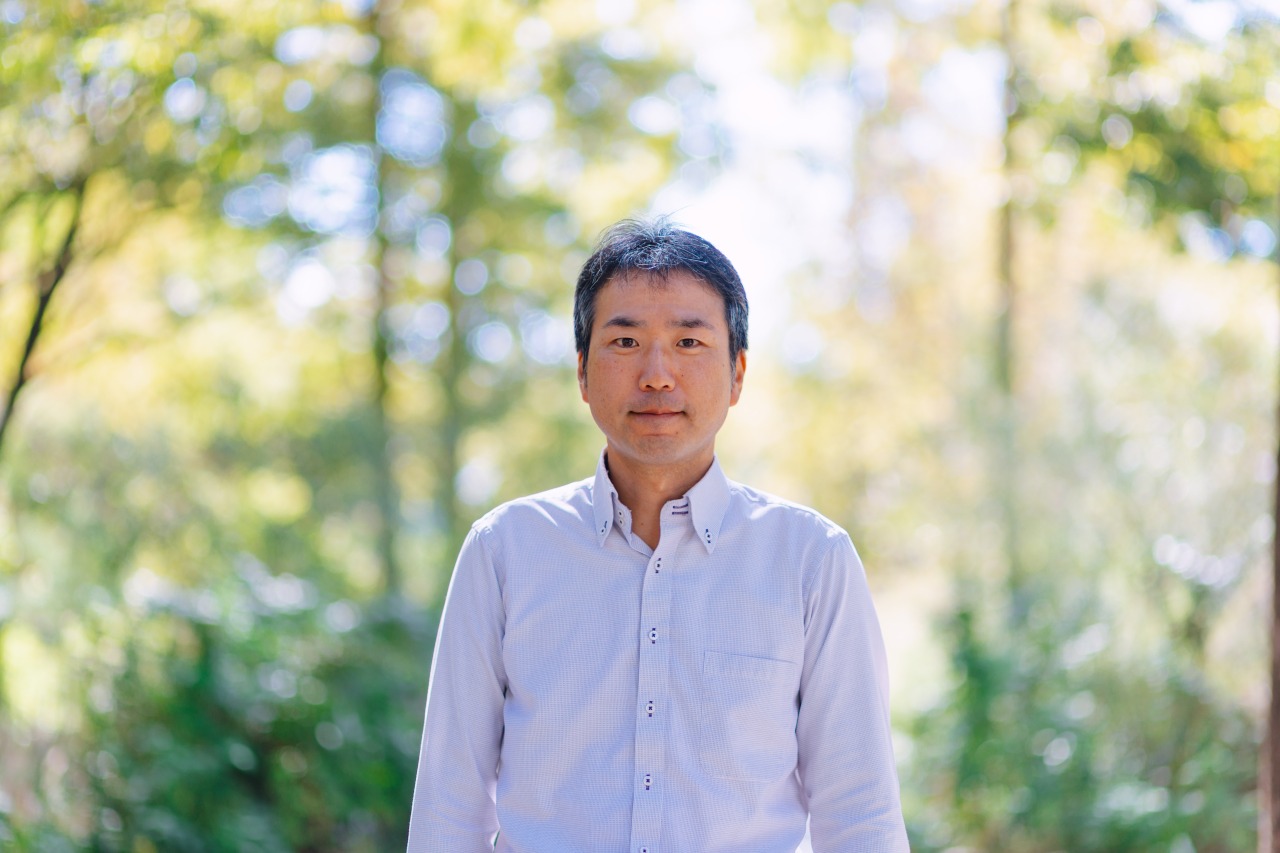
City of Kobe Forester
Mr. Daisuke Tochimoto
-

The Kobe Satoyama Nature Coexistence Center
-
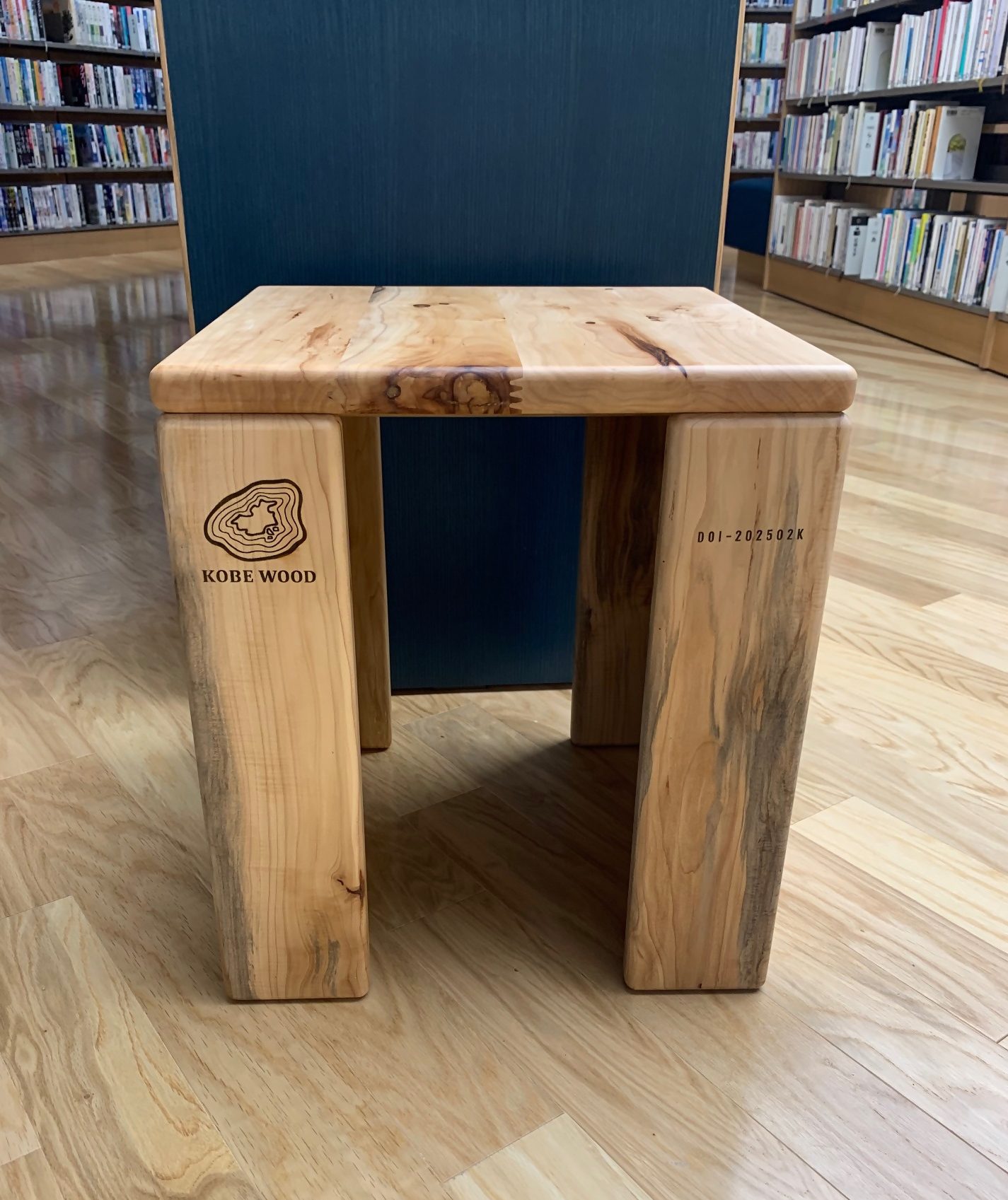
KOBE WOOD – Branded Product
[Photos courtesy of the City of Kobe]
◆The tour will visit the Kobe Satoyama Nature Coexistence Center which opened in November 2025 and speak with city officials, including the City of Kobe’s first forester Mr. Daisuke Tochimoto, Mr. Atsushi Okada, who works on satoyama regeneration, about the City of Kobe’s initiatives for regenerating its forests and satoyama and resource cycles, and the importance of creating a circular economy. The tour will also see a site where forest and satoyama maintenance is being carried out.
(2) SHARE WOODS.
Connecting Mountains and the City, Mountains and People.
Product Development Using Local Kobe Wood
Share Woods, established in 2013 by its representative Mr. Masao Yamasaki, is a platform for the design, manufacture, and sale of products using local wood. Share Woods contributes to local production and consumption of lumber and to a resource cycle by using wood cut for forest and satoyama maintenance in Kobe, as well as wood from boulevard trees cut down in the city, to make and sell furniture, fixtures, and materials for interior decorating. The wood products by Share Woods include benches in the lobby of Kobe City Hall Building No. 1 and Kobe East Park, as well as chairs and benches at Kobe Children’s Book Forest, creating opportunities for residents to encounter products made with Kobe wood in their daily lives. Share Woods representative Mr. Yamasaki has commented, “Like the flow of lumber from upstream to downstream does not stop, I would like to connect the mountains and the city, the mountains and the people.”
-
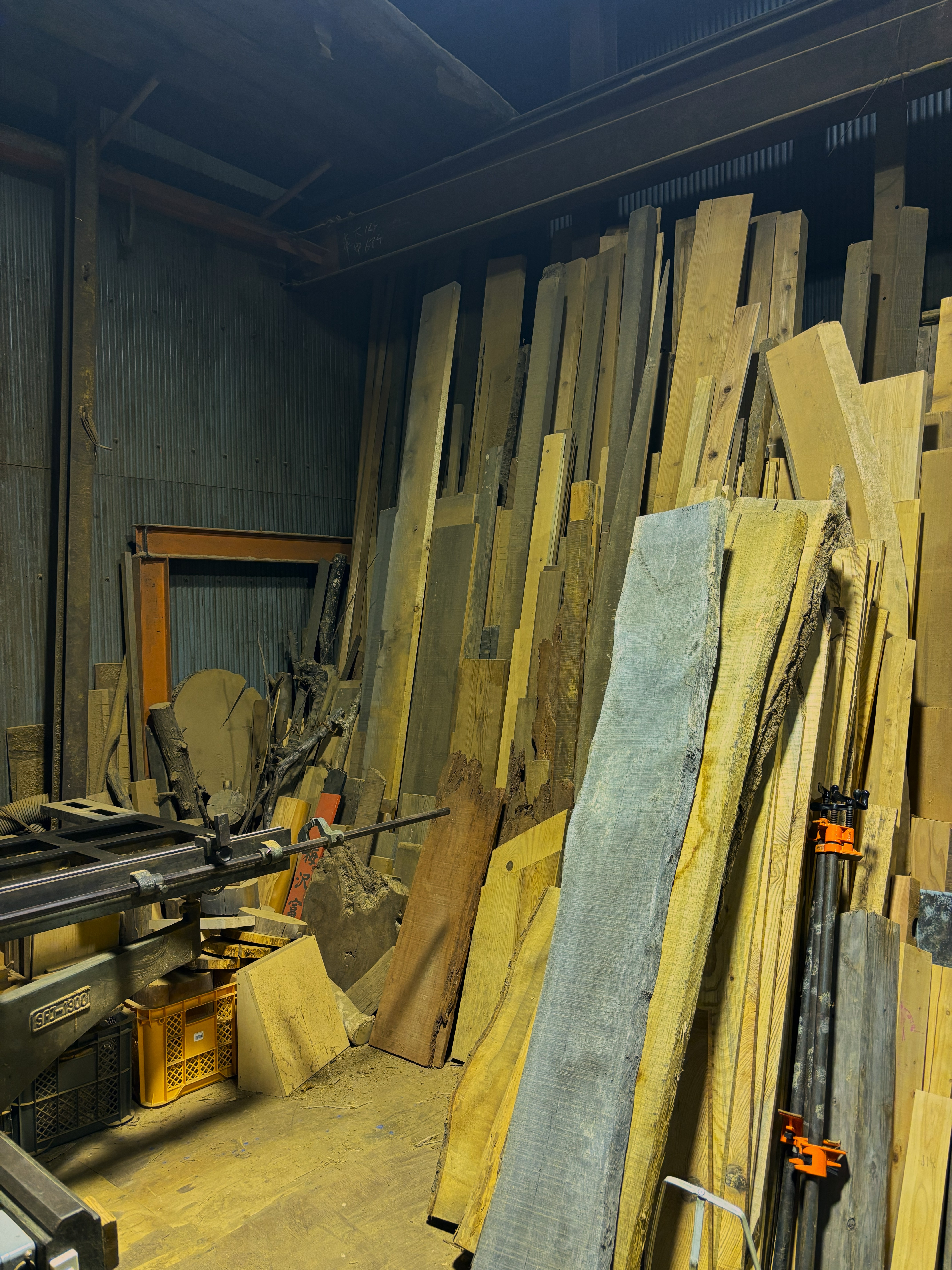
Kobe wood in the workshop
-
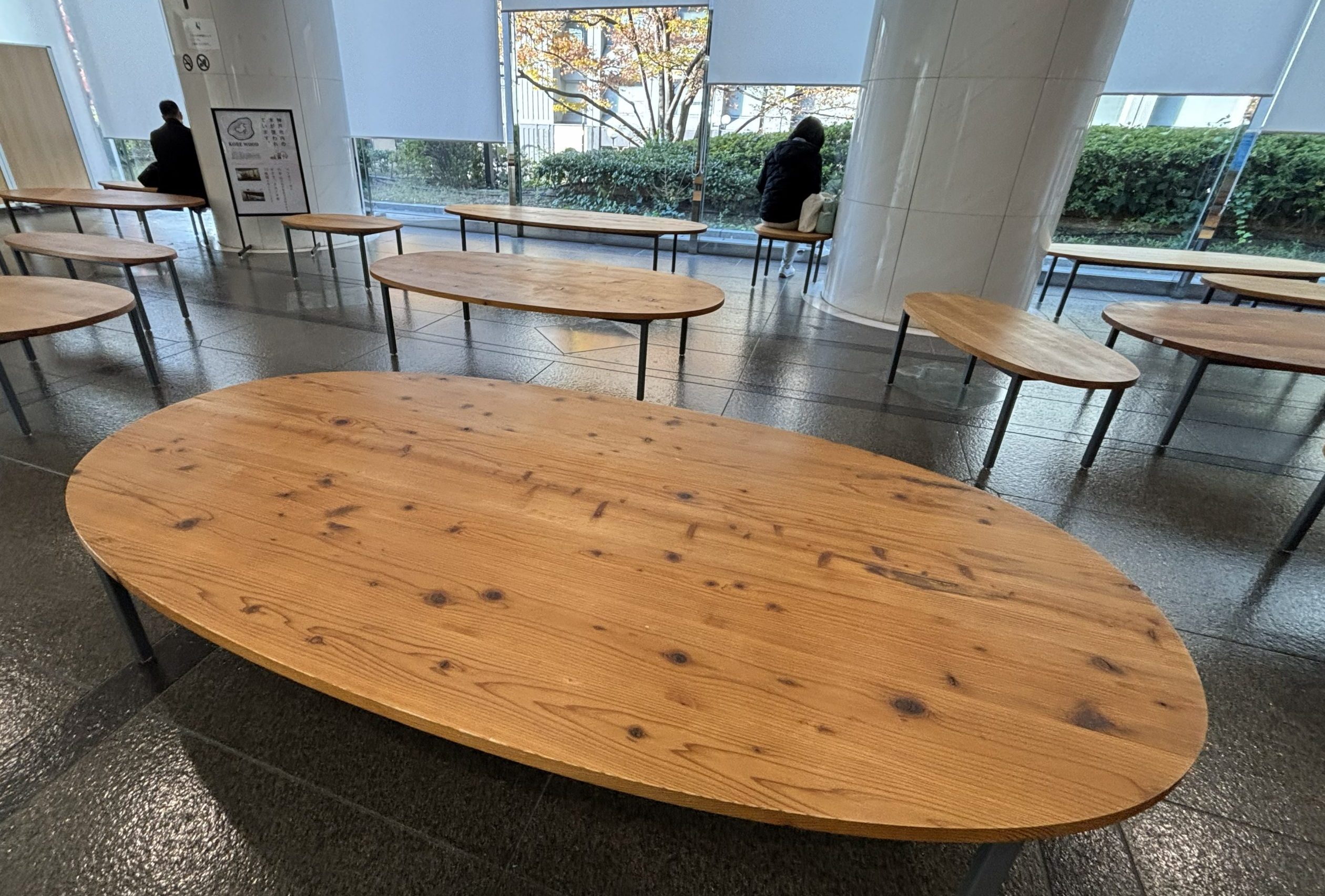
Benches at Kobe City Hall
-
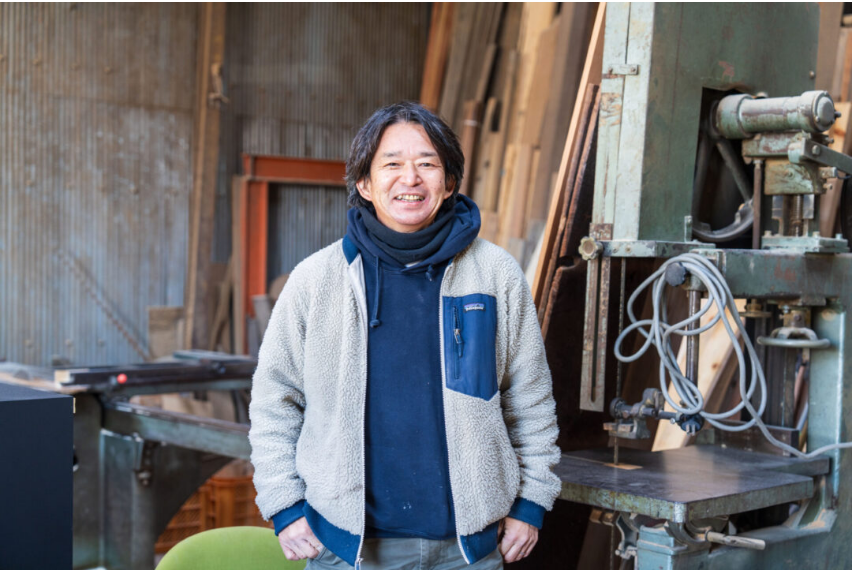
SHARE WOODS. Representative
Mr. Masao Yamasaki
[Photo courtesy of Mr. Masao Yamasaki]
◆The tour will visit the Share Woods workshop, and hear from representative Mr. Masao Yamasaki about the background behind its establishment, an overview of the business, and his feelings behind product development with local production and consumption of wood from Mt. Rokko and elsewhere in Kobe.
5. Using the Phosphorus and Digestive Gas from the City’s Sewage Treatment Plants as Resources
Higashinada Treatment Plant
Initiatives by the SDGs Contribution City Kobe as a Model for a Resource Cycle Using Sewage Sludge
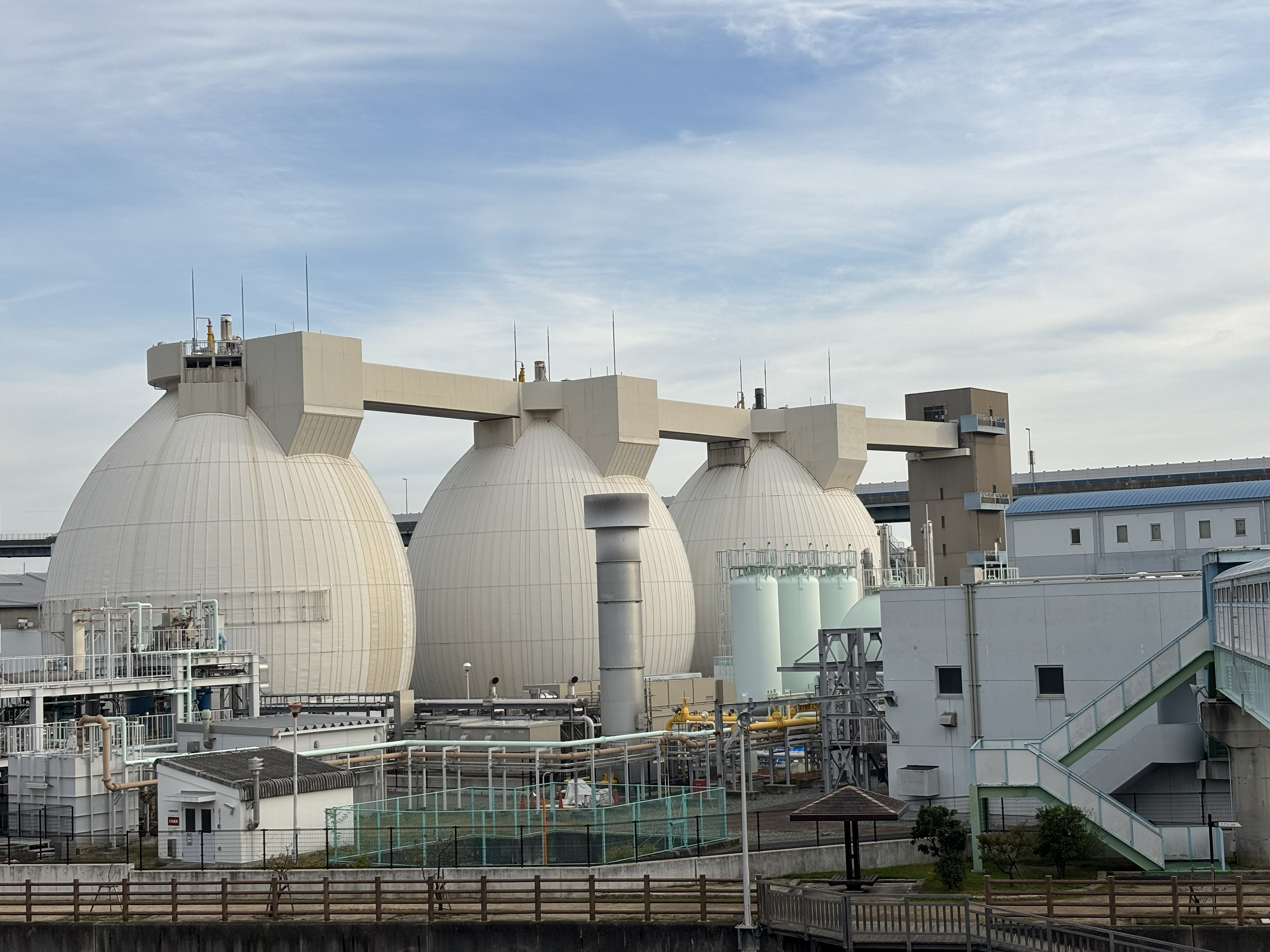
The Higashinada Treatment Plant, managed and operated by the City of Kobe, is the largest sewage treatment plant in the city, treating sewage for approximately 390,000 people. Phosphorus is also recovered from the sludge produced in the treatment process, and reused as a quality fertilizer. There are large amounts of phosphorus contained in sewage, which used to be incinerated. However, along with nitrogen and potassium, phosphorus is one of the main three components of agricultural fertilizers, and Japan imports the majority of its phosphorus. The City of Kobe developed Kobe Harvest fertilizer using Kobe Regenerated Phosphorus retrieved from sewage sludge. It has been sold since 2015. Kobe Harvest has been widely adopted, with rice and vegetables grown using it used in school lunches and in homes, and it also being used to grow rice for making sake.
The City of Kobe also refines biogas from the digestive gas produced as part of the treatment process, which as Kobe Biogas is sold for use in natural gas vehicles, as well as generating electricity using digestive gas and selling the electricity to a power company, also contributing to reducing CO2 emissions. These initiatives are attracting attention as a model for an urban resource cycle of local production and consumption.
Kobe has also used the lessons learned from the Great Hanshin-Awaji Earthquake to create a sewage network resilient to disasters, so that even if one treatment plant becomes unable to function, the sewage will be sent to a different plant for treatment.

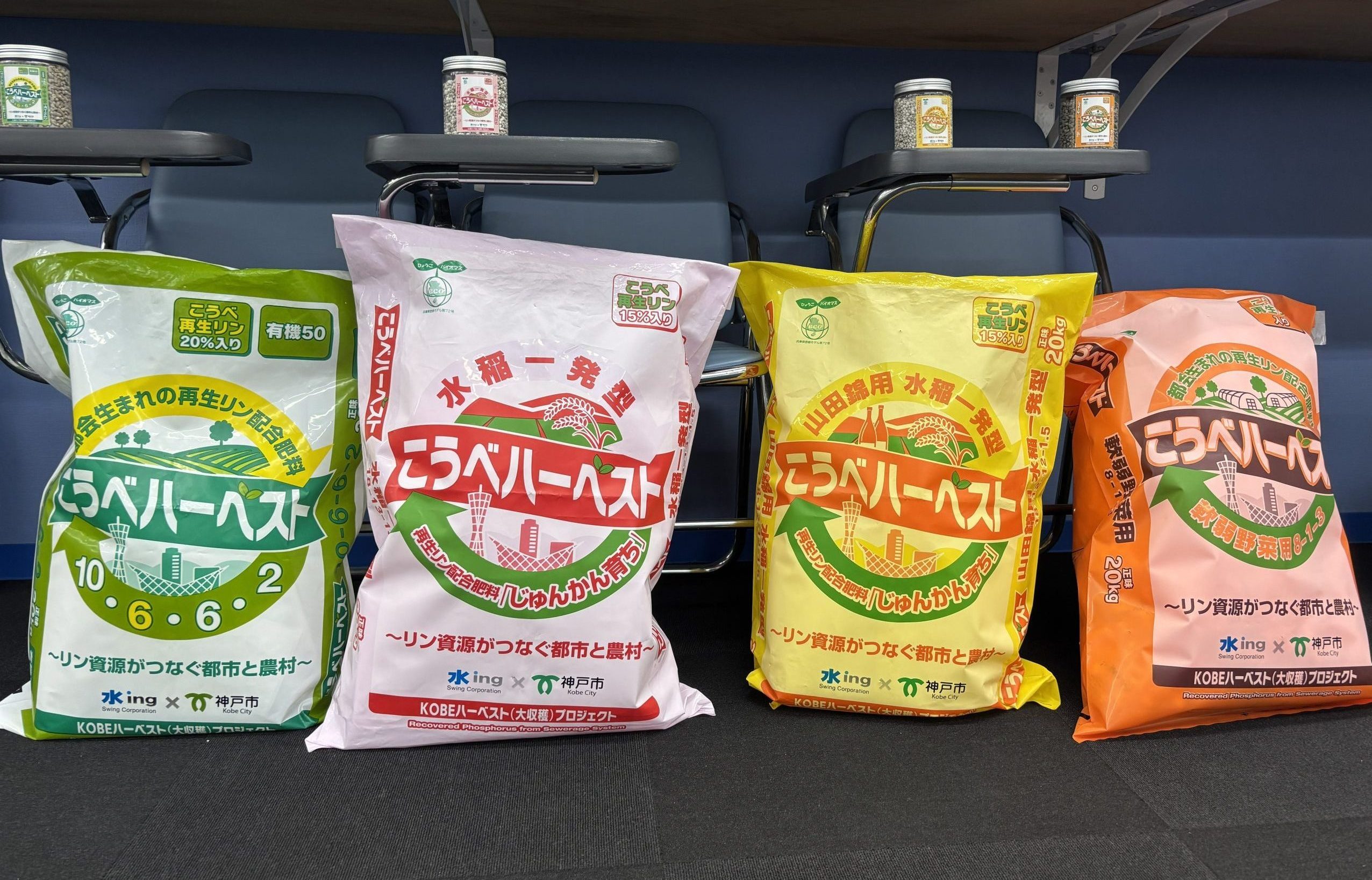
◆The tour will visit Higashinada Treatment Plant, cutting edge infrastructure for recycling sewage into resources, and receive an explanation of the Kobe Regenerated Phosphorus and Kobe Biogas projects, as well as of creating a sewage system network based on lessons from the earthquake. Afterwards, the group will tour the treatment plant. At lunch on the second day, the tour will be able to try vegetables grown using the regenerated phosphorus.
Tour Itinerary
1. Dates:
Monday, January 19–Tuesday, January 20, 2026
2. Schedule:
[Monday, January 19]
- 07:12-09:53
-
Tokyo Station → Shin-Kobe Station (Nozomi 9)
- 10:45–12:30
-
Regenerating Forests and Satoyama, and Resource Cycles
Tour of a forest site
(at The Kobe Satoyama Nature Coexistence Center)
- 13:00-13:50
-
Lunch
- 14:05-15:20
-
Initiatives for Reusing Vacant Buildings: Aikoya and Tani Apartment in Hyogo Ward, Kobe
- 15:50-17:00
-
Reusing Vacant Lots: Intercultural Garden and Osanpo-batake in Nagata Ward, Kobe
- 17:20-18:10
-
SHARE WOODS.
- 18:30
-
Arrive at hotel
[Tuesday, January 20]
- 08:30
-
Leave hotel
- 09:10-11:30
-
Higashinada Treatment Plant
Initiatives by the SDGs Contribution City Kobe as a Model for a Resource Cycle Using Sewage Sludge
- 12:00-13:00
-
Lunch
- 13:30-15:30
-
Tour of the City Center and Waterfront
- 16:00-17:00
-
Interview with Kobe Mayor Kizo Hisamoto
- 18:16-20:57
-
Shin-Kobe Station → Tokyo Station (Nozomi 46)
3. Qualification:
Bearer of the Ministry of Foreign Affairs of Japan Press Registration Card (in principle)
4. Cost:
12,000 yen per person, including transportation, accommodation (breakfast included) and lunches (for both days)
*Information on payment and cancellation fee will be provided to participants.
*Participants will be required to pay their own transportation costs to the meeting place before the tour, and after the tour ends
5. Participants:
Limited to 10 participants.
(Only one reporter or one photographer from each company, but two participants from each TV team will be acceptable.)
*Participants will be determined by the tour organizer.
6. Please be sure to confirm and agree to the following before applying
6-1. Basic Information
(1) This tour is organized by The City of Kobe and run by the FPCJ.
(2) The schedule is subject to change without notice.
(3) This tour will require participants to bear a part of the cost but is not a profit-making venture.
(4)The City of Kobe and the FPCJ take no responsibility for any accidents, injuries, illness, or other problems which occur during the tour.
(5) There may be some restrictions on photographing and filming at the tour sites. Please follow the instructions of the staff in charge.
(6) This press tour is intended to provide opportunities for news coverage. We request that all participants send a copy of the content of their coverage (article, video, or audio in the case of radio) to The City of Kobe through the FPCJ after their reports are published or aired. When your report is in a language other than English or Japanese, we also ask you to provide a summary in English or Japanese. By submitting your application, we assume that you have agreed to these conditions.
6-2.Handling of Personal Information
When applying for the tour, you agree to the below:
*Regarding the handling of personal information, the press tour organizers and operators will respect Japan’s Act on the Protection of Personal Information and all other laws and guidelines on the protection of personal information and handle personal information appropriately.
(1) The tour operators will, when there is a need to do so for the press tour, provide the personal information provided when applying (organization name, personal name, etc.) to other parties in the following cases:
-To arrange travel or insurance through travel agencies (Information provided to: Travel agencies, accommodation operators, transportation operators, insurance companies)
-To ensure smooth operations during the tour (Information provided to: Interpreters, stops on the tour, interviewees)
(2) The tour operators, to ensure smooth operation of the tour, will share the personal names and organization names of applicants with the tour organizers.
6-3.Recordings by Press Tour Organizers or Operators During the Tour
When applying for the tour, you agree to the below:
(1) For the record-keeping purposes, the tour operators may film or photograph the tour while it is happening. The copyright holders for these photos or videos will be the tour organizers.
(2) Photos, videos, or articles of the press tour may be uploaded to websites or social media accounts operated by the organizers or operators.
(3) The likeness or voice of participants may appear in the abovementioned photos or videos, but you agree to their use by the organizers or operators.
7. FPCJ Contacts:
Ishikado (Ms.), Natori (Ms.)
Media Relations Division
(Tel: 03-3501-3405, E-mail: ma@fpcjpn.or.jp)
◆When applying for the tour, you agree to the following conditions◆
- Press tours have participants from multiple media organizations, and interviews, filming, and photographing are generally carried out jointly. There is no guarantee that you will be able to perform individual interviews or take individual videos at any of the stops on the tour.
- You must follow the instructions of the tour organizers and operators regarding the tour schedule, timing, and restrictions on taking videos or photos. If you refuse to follow instructions, you will no longer be allowed to participate in the press tour from that point on.

