FPCJ50th Anniversary Site
FPCJ50th Anniversary Site
1976
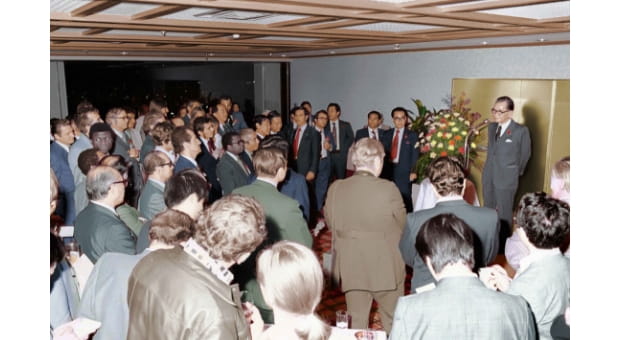
With growing interest in Japan worldwide, the FPCJ was founded as an organization to communicate Japan as it is to the world by supporting foreign journalists in their reporting, and began operations on October 1.
1976
Providing foreign correspondents in Japan with opportunities to report on areas around Japan. The first press tour was held to Kanagawa Prefecture on October 29 and 30, based on the topic of “regional autonomy and regional industries.”
1977
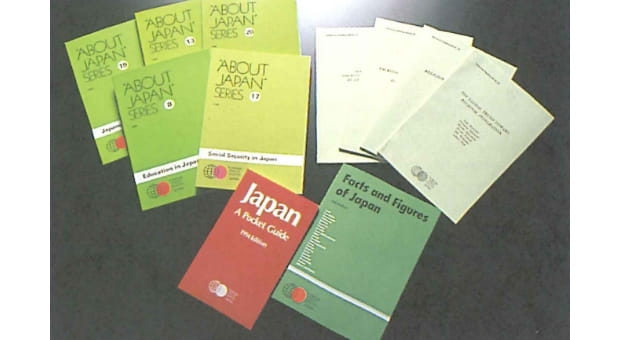
Publications began to be released targeting foreign journalists, covering a broad range of topics such as politics, the economy, society, and culture, and they were also adopted as textbooks in universities in Japan and abroad.
1978
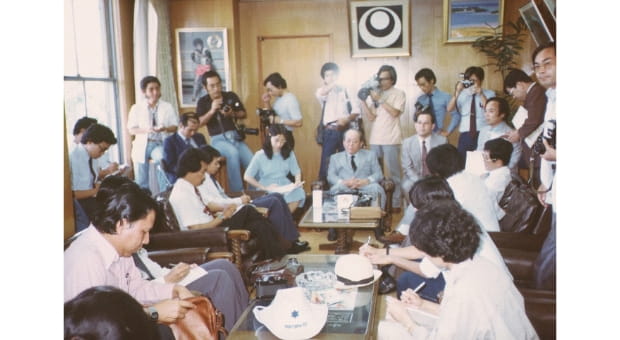
The Japan Newspaper Publishers & Editors Association (NSK) began its fellowship program inviting journalists from ASEAN countries this year. The project had 10 participants in the first year, and the FPCJ arranged individual reporting for them. (Photo from 1981)
1979
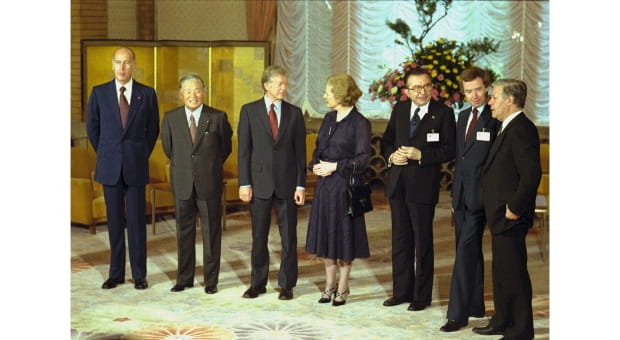
Ahead of the June summit, the first to be held in Japan, a press tour was held to the venue, the State Guesthouse. During the summit, the FPCJ provided materials and support for individual reporting at the press center desk.(Photo:Wikimedia Commons)
1981
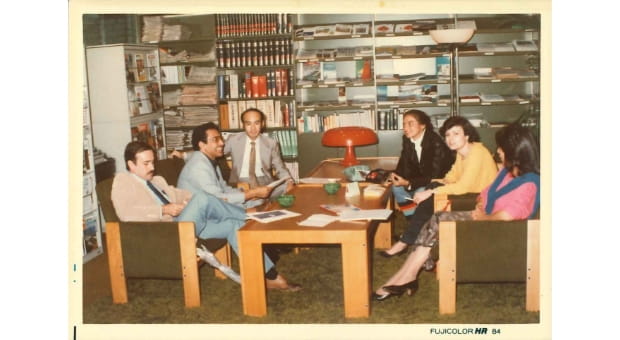
A group consisting primarily of journalists from developing countries which rarely sent any journalists to Japan was invited. Through lectures, regional tours, and individual reporting, they deepened their understanding of Japan. (Photo from 1984, Central and South American journalists)
1982
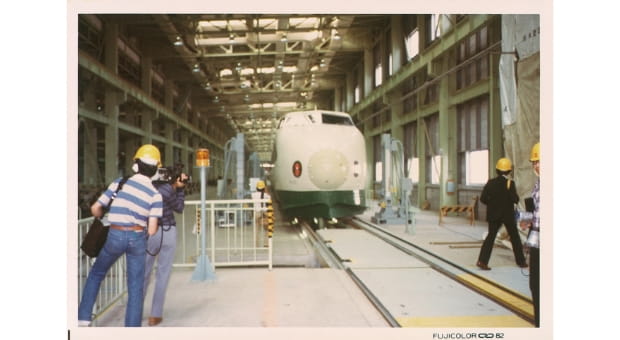
This press tour was held in May, one month before the Shinkansen began operations, with cooperation from Japanese National Railways. The tour rode the Shinkansen on a test run from Omiya to Sendai, and visited the rail yard.
1989
Many overseas journalists came to Japan for the imperial funeral in February and the accession ceremony in 1990. The FPCJ set up a desk at the press center and provided materials and other support.
1989
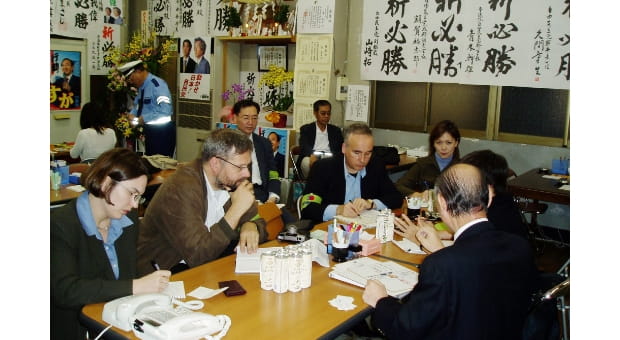
At the time, press tours were held during national elections to follow stump speeches by party leaders, with over 50 journalists participating in the tour for Takako Doi, leader of the Socialist Party. (Photo of 2003 general election tour)
1990
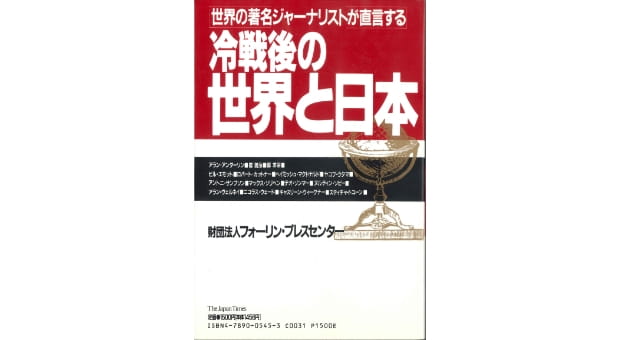
Published in Japanese and English, with essays from 15 leading journalists from around the world on the topic of Japan’s role in international society after the Cold War.
1995
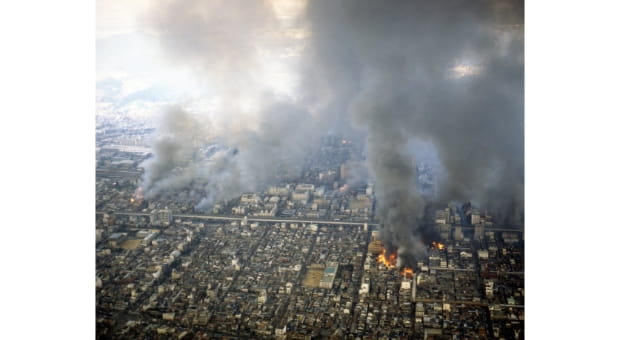
With a constant stream of inquiries from foreign journalists since January 17, the day of the earthquake, the FPCJ provided information on the damage and government response through press briefings and other methods. (Photo courtesy of the City of Kobe)
1995
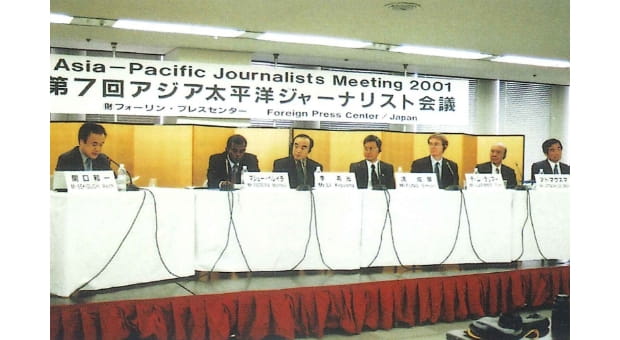
As part of the Japanese government’s project for the 50th anniversary of the end of World War II, this meeting was held every year. Leading journalists from around the Asia-Pacific region gathered to discuss important regional topics. (Photo from 2001)
1996
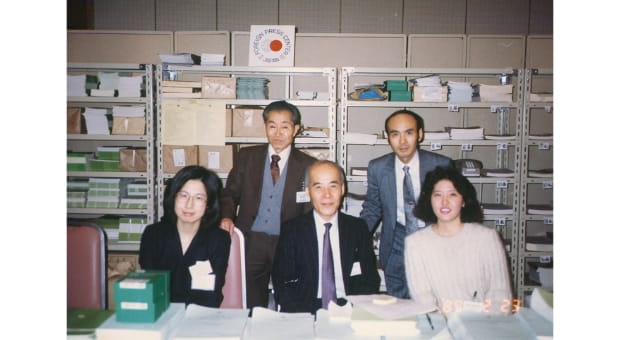
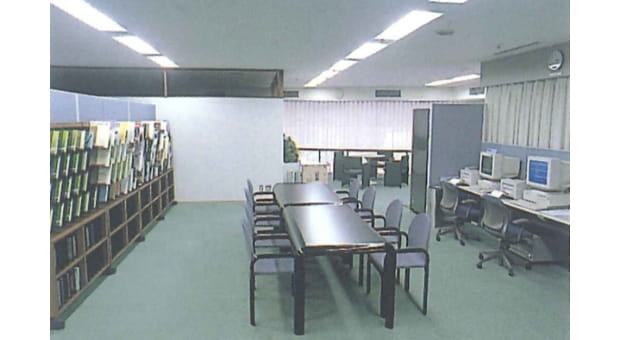
Established in January 1996. With a reference corner, work booths, and an interview salon, it was a space for foreign journalists to work out of, and operated until 2005.
1996
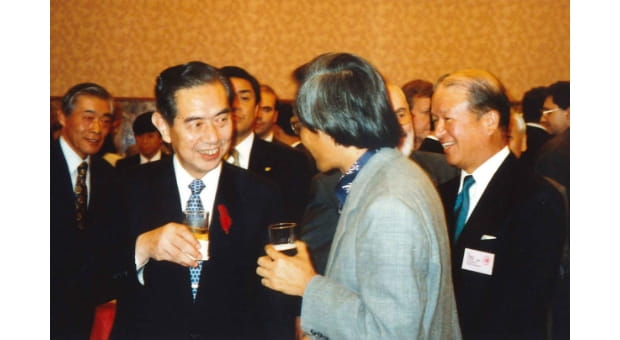
Minister of Foreign Affairs Yukihiko Ikeda attended the anniversary ceremony. As an anniversary project, an English handbook with basic information on all 47 prefectures, JAPAN: Eyes on the Country, was released.
1997
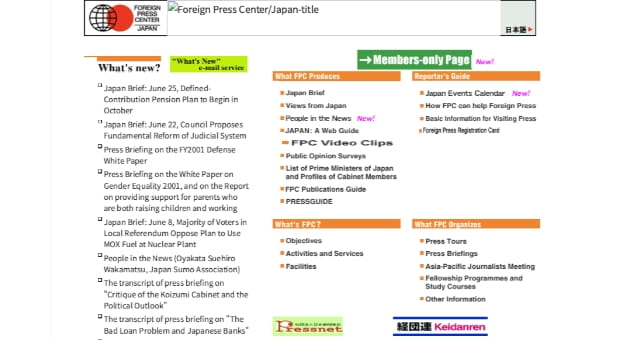
To respond to the arrival of the age of internet, the FPCJ gradually shifted from primarily paper materials and publications to providing information online. (Photo of 2001 FPCJ website)
2000
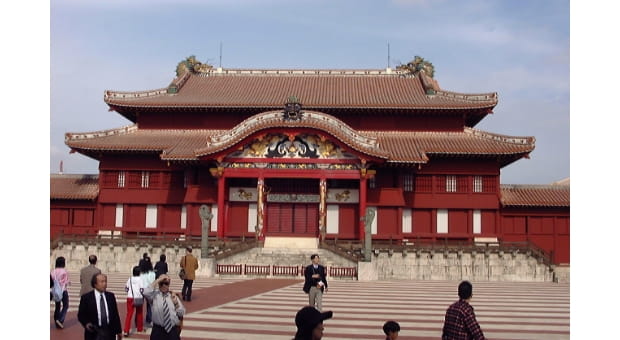
Ahead of the July summit, a press tour was held to cover preparations and the situation in Okinawa at the time. A tour was also held to a plant of the Ministry of Finance Printing Bureau, which released the 2000 yen bill to commemorate the summit.
2002
Ahead of the World Cup, the Japan Football Association chair held a press briefing, and press tours were held to the host cities to cover the state of preparations. During the competition, a Japanese cultural experience tour was also held for foreign journalists visiting Japan.
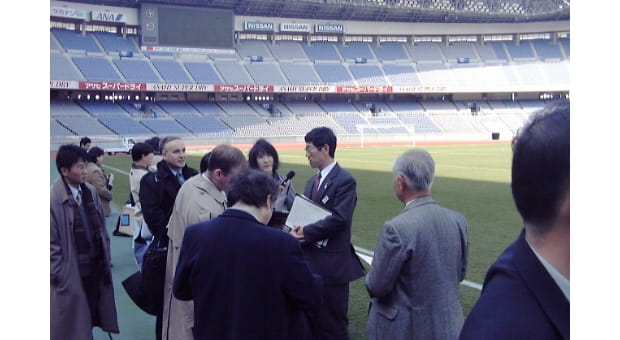
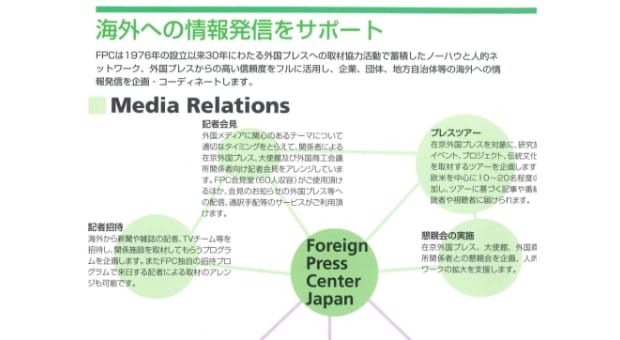
2002
This initiative began to use the FPCJ’s experience and network to support local governments, businesses, and other organizations in communicating with overseas audiences, including through commissioned press tours.
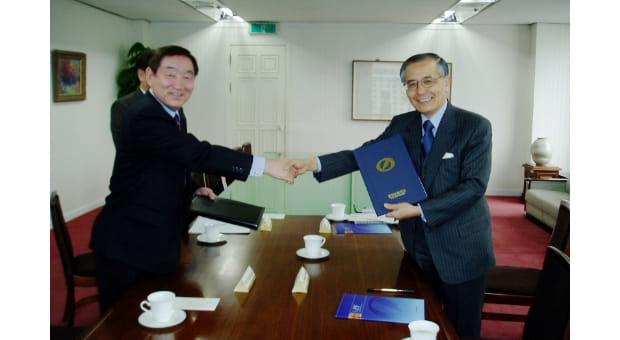
2004
Letters were exchanged regarding strengthening cooperation between the two foundations and promoting exchange and reporting between Japanese and Korean journalists. A ceremony was held to sign the letters in Seoul in March, and a mutual exchange program for staff began.
2005
In 2001, a press tour was held to see the site where the venue was planned to be built. During the Expo, reporting assistance was provided to many journalists visiting Japan to report on the Expo, and FPCJ publications were also provided for the venue media center.
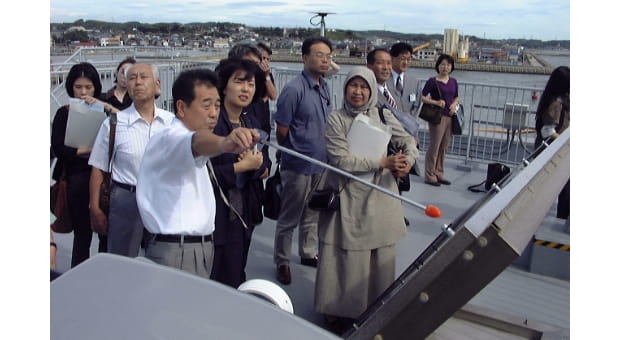
2007
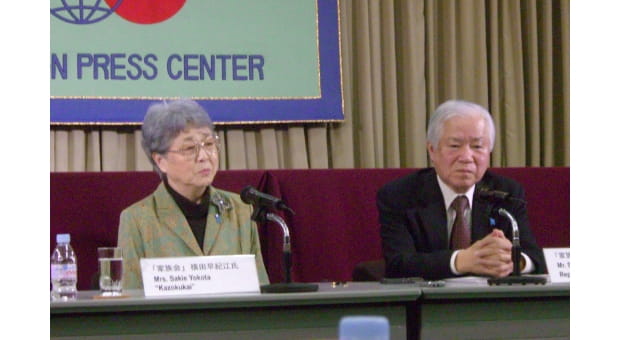
Sponsored by the Japanese government and held in December 2007. The tour saw where Megumi Yokota was abducted in Niigata City, interviewed her parents, and was briefed by government officials and experts.
2008
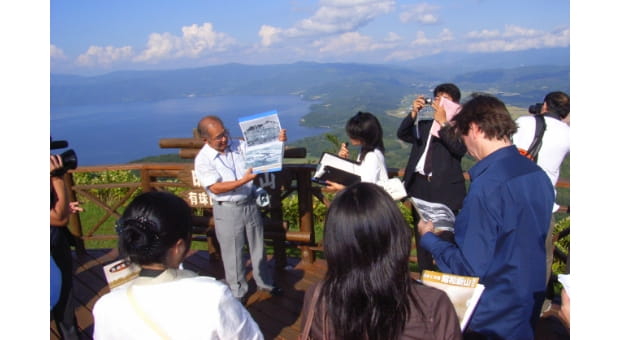
Press briefings and press tours were held ahead of the summit based on its main topic, environmental issues and climate change. During the summit, FPCJ staff were dispatched to Hokkaido to provide information and otherwise support reporting.
2011
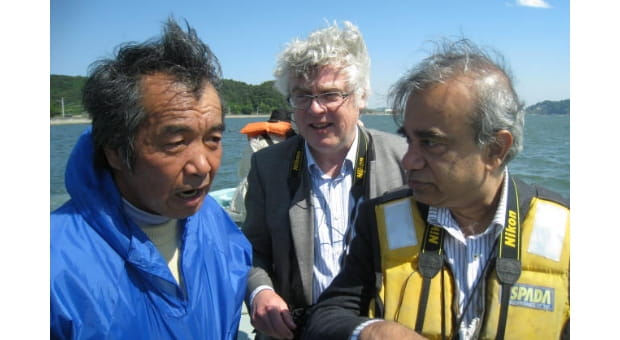
Multiple press briefings were held for foreign media by related government agencies in the days following the earthquake. A press tour was held in May to Miyagi and Iwate Prefectures, with the FPCJ continuing to provide information afterwards on the damage and recovery efforts.
2011
With reforms to the national public interest corporation system, the FPCJ was certified by the Cabinet Office and became a public interest incorporated foundation on April 1.
2012
The FPCJ declared its mission to be supporting the reporting activities of foreign journalists and disseminating valuable information from various fields and from throughout Japan.
2013
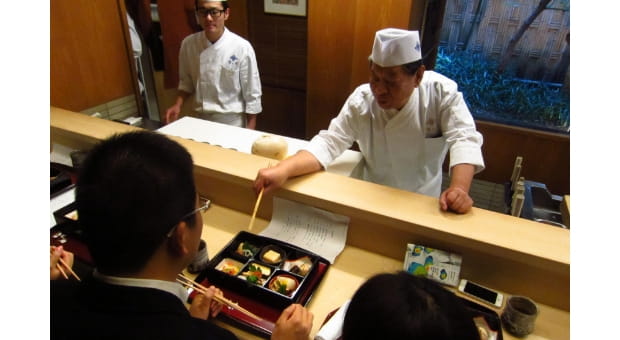
With washoku bound to receive attention from around the world due to the December decision to include it on the UNESCO Intangible Cultural Heritage List, this press tour visited a traditional Japanese restaurant in Tokyo. Seeing the food being prepared, the journalists learned about its appeal.
2016
Ahead of the May summit, three press tours were held to cover the appeal of Mie Prefecture, the venue for the summit. An FPCJ staff member was also dispatched to the international media center during the summit.
2016
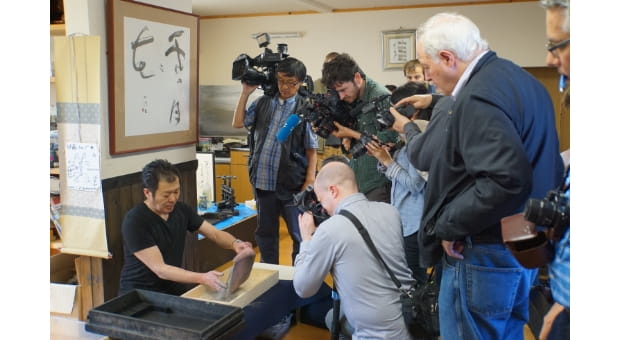
With this service, the FPCJ supports local governments or other organizations in planning and operating press events targeting foreign journalists. The first event was covering a rainmaking ceremony in Tsurugashima, Saitama.
2016
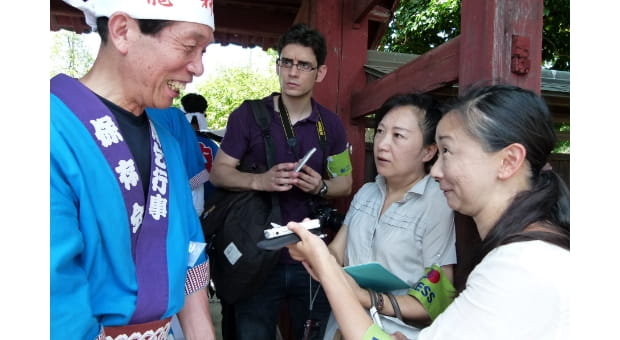
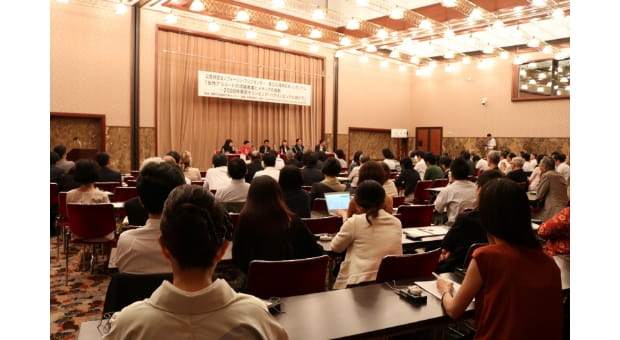
A symposium was held about the role of the media in creating opportunities for women in sports. A press tour was also held for the first time to Kochi Prefecture, the last of Japan’s 47 prefectures to be the subject of an FPCJ press tour.
2018
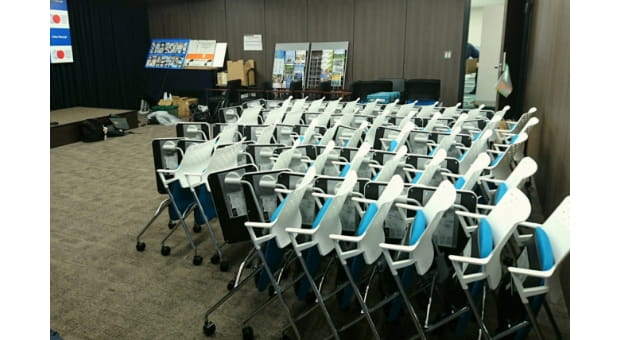
With the changing times, major renovations were carried out on the office. Despite becoming smaller, it has a press briefing room with space for around 50 occupants, and communication between FPCJ staff improved.
2020
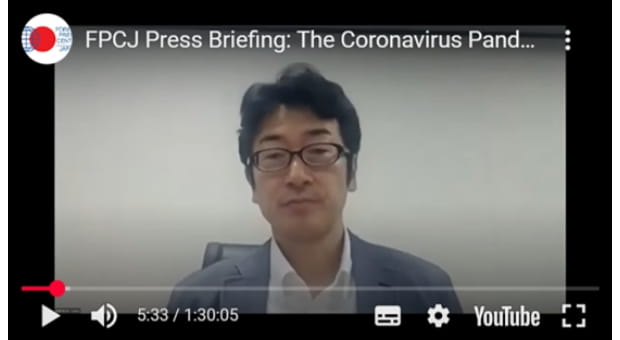
With the fellowship program and press tours being temporarily suspended due to the declaration of a state of emergency and enhanced border measures to prevent the spread of infection, the FPCJ restarted press briefings in May in an online format, and continued disseminating information.
2021
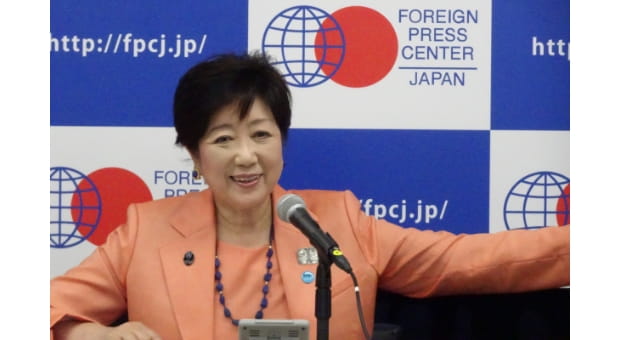
In addition to organizing a press tour to venues at the bidding stage, the FPCJ launched a special website for foreign journalists providing information on the Olympics and Paralympics. It also hosted briefings by Tokyo Governor Yuriko Koike in July 2019 and August 2021.
2023
Under commission from the venues where the G7 Hiroshima Summit and related ministerial meetings were taking place, multiple press tours were held to promote the appeal of those areas worldwide.
2025
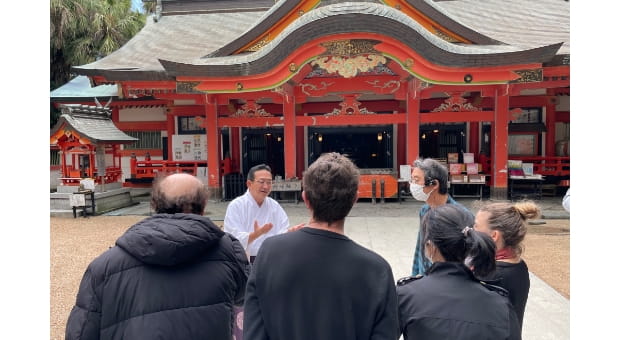
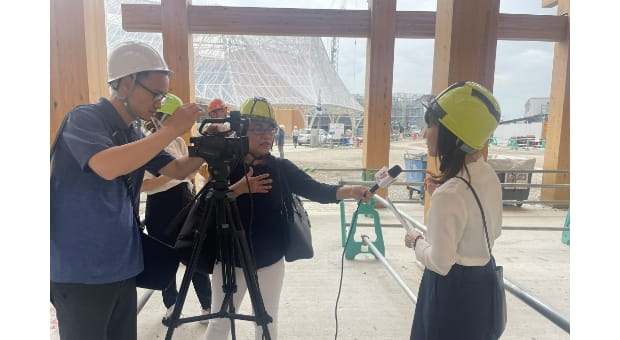
A press tour was held to the Expo venue while it was under construction. A press briefing by the secretary general of the Japan Association for the 2025 World Exposition was also held just ahead of the Expo’s opening.
2025
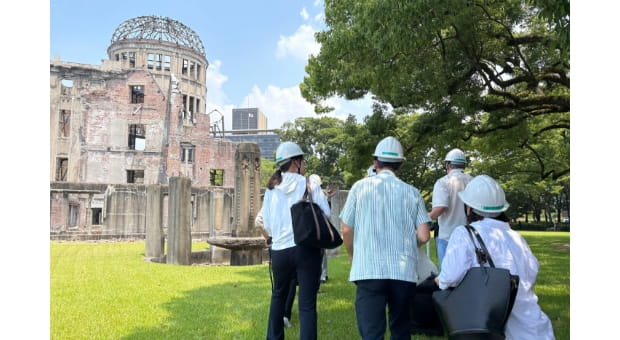
In addition to holding press tours to Hiroshima and Nagasaki, targets of atomic bombings, a series of press briefings was held on the topic of the 80th anniversary of the end of World War II.
2026